Building Confidence and Compliance Through Workplace Emergency Response Training in Ireland

7 October 2025

Share

Irish employers are responsible for ensuring staff can respond calmly and effectively during emergencies. Proper workplace emergency response training creates confidence and compliance in every organisation.


Workplace emergencies can happen anywhere at any time. From sudden cardiac arrest in a hotel lobby to a fall on a factory floor, staff are often the first to respond. In Ireland, employers have a legal duty under the Safety, Health and Welfare at Work Act to ensure employees are prepared to deal with these situations. This is why structured emergency response training is essential. It protects staff, reduces risk and ensures compliance with national safety regulations.


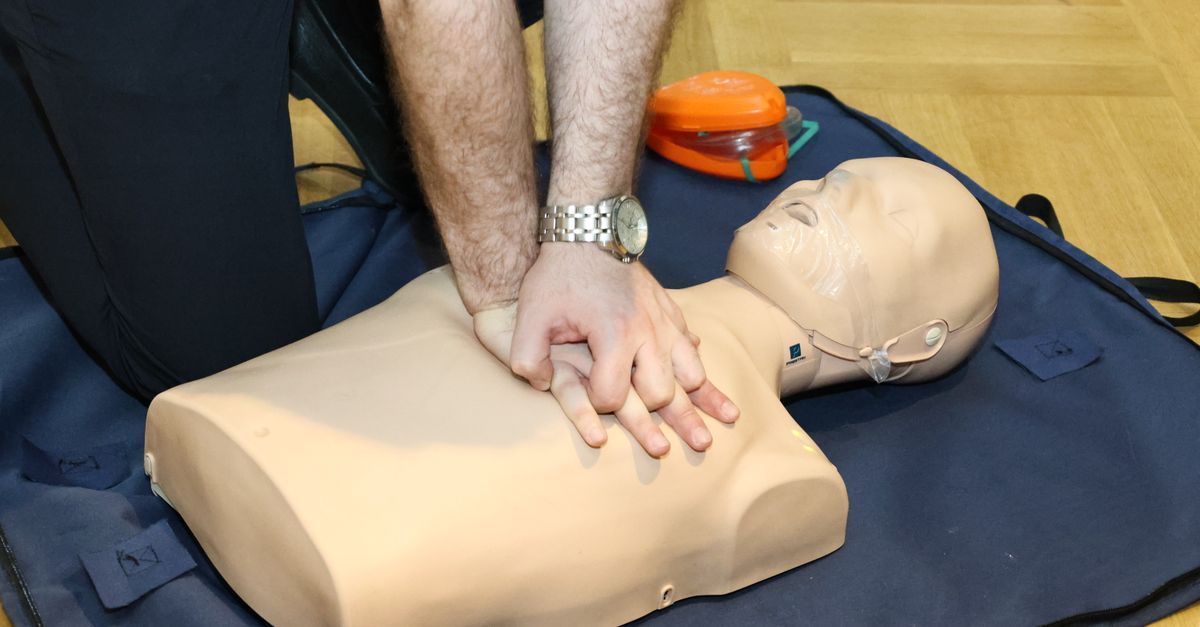
Training in First Aid, CPR and AED use helps employees respond with confidence when every second counts. In many cases, trained responders make the difference between life and death. When an incident occurs, those vital first moments before professional medical help arrives are critical. Well-trained employees can recognise symptoms, assess situations quickly and apply appropriate techniques until emergency services take over.


Beyond the immediate benefits, emergency response training also strengthens workplace culture. Staff who feel equipped to handle medical or safety emergencies are more confident and engaged. This confidence spreads throughout the team, improving morale and communication. In sectors such as hospitality, healthcare, education and manufacturing, customers and patients also benefit from knowing that trained responders are present.


Compliance is another major reason why Irish businesses invest in emergency training. Employers who fail to provide adequate First Aid resources risk breaching health and safety law. By choosing PHECC-approved training providers and maintaining up-to-date certification, organisations can demonstrate compliance while protecting their workforce. On-site training is especially valuable, as it allows staff to practise emergency response in their own environment using familiar equipment.


A well-designed emergency response programme includes regular refresher courses, scenario-based learning and practical assessments. These elements ensure skills remain current and staff can apply them confidently under pressure. As workplaces evolve, training keeps pace with new risks and technologies, including the increased availability of AED machines.


Ultimately, emergency response training is not simply a legal requirement — it is a cornerstone of professional responsibility. It builds confidence, saves lives and strengthens business resilience. Every Irish employer should see it as an investment in people, safety and reputation.


Handle with Care provides certified emergency response, First Aid, CPR and AED training across Ireland. Our on-site courses are designed to meet Irish regulatory standards and give staff the knowledge and confidence to act when it matters most.
Worker spreading grit on an icy outdoor walkway in winter
by Handle with Care Ltd • 16 November 2026
Prevent slips, trips and falls at work this winter across Ireland with trained, confident staff. Book on-site first aid and manual handling training today.
First aid cover for events and temporary workplaces in Ireland
by Handle with Care • 26 October 2026
First aid cover for events and temporary workplaces in Ireland: what employers must plan, who to train and what to bring. Book on-site FAR training today.
by Handle with Care • 24 October 2026
Bought a workplace AED? Learn where to position it, how to check it regularly, and why trained CPR and AED responders still matter in Ireland.
Industrial employees attending on-site First Aid Responder training
by Handle with Care • 5 October 2026
See how outsourcing 3-Day FAR training helps industrial employers manage training, certification, refresher courses and responder cover more effectively.

Irish employers are responsible for ensuring staff can respond calmly and effectively during emergencies. Proper workplace emergency response training creates confidence and compliance in every organisation.


Workplace emergencies can happen anywhere at any time. From sudden cardiac arrest in a hotel lobby to a fall on a factory floor, staff are often the first to respond. In Ireland, employers have a legal duty under the Safety, Health and Welfare at Work Act to ensure employees are prepared to deal with these situations. This is why structured emergency response training is essential. It protects staff, reduces risk and ensures compliance with national safety regulations.


Training in First Aid, CPR and AED use helps employees respond with confidence when every second counts. In many cases, trained responders make the difference between life and death. When an incident occurs, those vital first moments before professional medical help arrives are critical. Well-trained employees can recognise symptoms, assess situations quickly and apply appropriate techniques until emergency services take over.


Beyond the immediate benefits, emergency response training also strengthens workplace culture. Staff who feel equipped to handle medical or safety emergencies are more confident and engaged. This confidence spreads throughout the team, improving morale and communication. In sectors such as hospitality, healthcare, education and manufacturing, customers and patients also benefit from knowing that trained responders are present.


Compliance is another major reason why Irish businesses invest in emergency training. Employers who fail to provide adequate First Aid resources risk breaching health and safety law. By choosing PHECC-approved training providers and maintaining up-to-date certification, organisations can demonstrate compliance while protecting their workforce. On-site training is especially valuable, as it allows staff to practise emergency response in their own environment using familiar equipment.


A well-designed emergency response programme includes regular refresher courses, scenario-based learning and practical assessments. These elements ensure skills remain current and staff can apply them confidently under pressure. As workplaces evolve, training keeps pace with new risks and technologies, including the increased availability of AED machines.


Ultimately, emergency response training is not simply a legal requirement — it is a cornerstone of professional responsibility. It builds confidence, saves lives and strengthens business resilience. Every Irish employer should see it as an investment in people, safety and reputation.


Handle with Care provides certified emergency response, First Aid, CPR and AED training across Ireland. Our on-site courses are designed to meet Irish regulatory standards and give staff the knowledge and confidence to act when it matters most.