First Aid Cover for Events and Temporary Workplaces in Ireland

26 October 2026

Planning First Aid Cover for Events and Short-Term Sites

First aid cover for events and temporary workplaces is easy to overlook. A staff conference in a hotel, a pop-up retail unit before Christmas, a marquee at an agricultural show or a crew fitting out a building for six weeks all count as places where people work, and the employer's first aid duties travel with them. The arrangements at head office do not automatically follow the team to a new location.

This article explains what Irish law expects of employers at short-term and off-site locations, how to work out the cover you need, what equipment to bring and where staff training fits in. It is written for employers across Ireland who send teams to events or set up temporary workplaces.

What the Regulations Require at Any Workplace

The first aid rules sit in Part 7, Chapter 2 of the Safety, Health and Welfare at Work (General Application) Regulations 2007. Regulation 165 requires every employer to provide and maintain suitably marked, easily accessible first aid equipment wherever working conditions require it. It also requires the employer to designate a sufficient number of occupational first aiders for each place of work under their control, taking account of its size and the hazards present.

The same regulation requires first aid arrangements, including the names of designated first aiders, to be included in the safety statement, and the contact details of the local emergency services to be clearly displayed at each place of work. None of this is limited to permanent premises. If your staff are working at a venue, a stand or a site for a day, a week or a season, that location needs first aid arrangements that suit it.

There is a narrow allowance for absence. Where a designated first aider is away in temporary and exceptional circumstances, the employer can designate a person to take charge of an injured or ill worker until help arrives. This is a stop-gap for an unexpected absence, not a substitute for planning trained cover at a site you knew about in advance.

How Temporary Workplaces Differ from Your Main Premises

A temporary workplace brings a different set of risks from the office or unit your team normally works in. The hazards change, the people around your staff change, and the time it takes for an ambulance to reach you may be longer than you expect. A first aid risk assessment for the main premises rarely covers these points, so each temporary location needs its own look.

Common examples include:

  • Exhibition stands and trade shows, where staff are setting up displays, lifting stock and working long days on their feet.
  • Seasonal retail and pop-up units, often staffed by new or part-time employees who have not been through your usual induction.
  • Outdoor events such as shows, sports days, markets and festivals, where cold, wet weather in late autumn and winter adds slips, falls and exposure to the list.
  • Short fit-out, maintenance or installation jobs at a client's building, where your team works alongside other contractors.
  • Company events and conferences off-site, where staff numbers and the number of members of the public in the room can be much higher than normal.

In each case, ask who will be on site, what they will be doing, what could realistically go wrong and how long it would take to get professional help to the exact spot.

Working Out the Right Level of Cover

The regulations do not set a single headcount ratio for every situation. The Health and Safety Authority's guidance asks employers to base the number of occupational first aiders on a risk assessment that considers the size of the workforce, the type of work, shift patterns and how remote the location is. For events and temporary workplaces, the practical questions are set out below.

Hazards and activities

Lifting display units, working at height on stands, handling hot food, using tools or driving vehicles on site all raise the level of risk. A busy outdoor stand built in the rain needs more cover than a seated indoor meeting.

Hours, shifts and breaks

A first aider who is on a lunch break, in the car park or rostered off the late shift is not providing cover. Plan so that a trained person is available for every hour your staff are working, including set-up and take-down, which are often the busiest and riskiest parts of an event.

Distance and access

Check the full address and Eircode, the best access point for an ambulance and who will meet it at the gate. At large venues, find out whether there is an onsite medical point and how your staff contact it.

Shared sites

Where you are one of several employers at a venue or on a site, agree in writing who provides what. The venue or principal contractor may have its own first aid arrangements, but your duty to your own employees remains, so confirm the details rather than assuming they will cover your team.

Your Staff Versus the Public at Events

It helps to separate two things that often get mixed together. Your workplace first aid arrangements under the 2007 Regulations are there for your employees. Medical cover for an audience or crowd is a separate matter for the event organiser, and for large events it is usually provided by a dedicated event medical service.

Large outdoor public events in Ireland, in the region of 5,000 people and above, require a licence from the local authority under the Planning and Development Act 2000 and its regulations. Dublin City Council, for example, asks applicants to lodge an application at least 13 weeks before the event, with a draft event management plan and risk assessment. Councils also run application processes for smaller public events, so check requirements with the local authority early.

If you are an exhibitor, caterer or contractor at someone else's event, the organiser's medical provision does not remove your own duty to your staff. Your own trained first aider can act in the first minutes while the event's medical team is called.

Training Staff Who Travel to Events and Sites

The HSA recognises the PHECC First Aid Responder (FAR) standard as the occupational first aid qualification for Irish workplaces. Training the people who regularly travel to events and temporary sites, rather than relying only on first aiders based at head office, is the most reliable way to make sure cover goes where the work goes. Our First Aid Response FAR course is delivered on site for groups, so a whole events or installation team can be trained together.

When choosing who to train, consider the following:

  1. Pick staff who are on site for the whole job, such as team leaders, site supervisors or stand managers, rather than people who call in occasionally.
  2. Train more than one person per team so that breaks, sick days and split shifts do not leave a gap.
  3. Track certificate dates. FAR certification is valid for two years, and responders renew it through a FAR recertification course before it lapses.
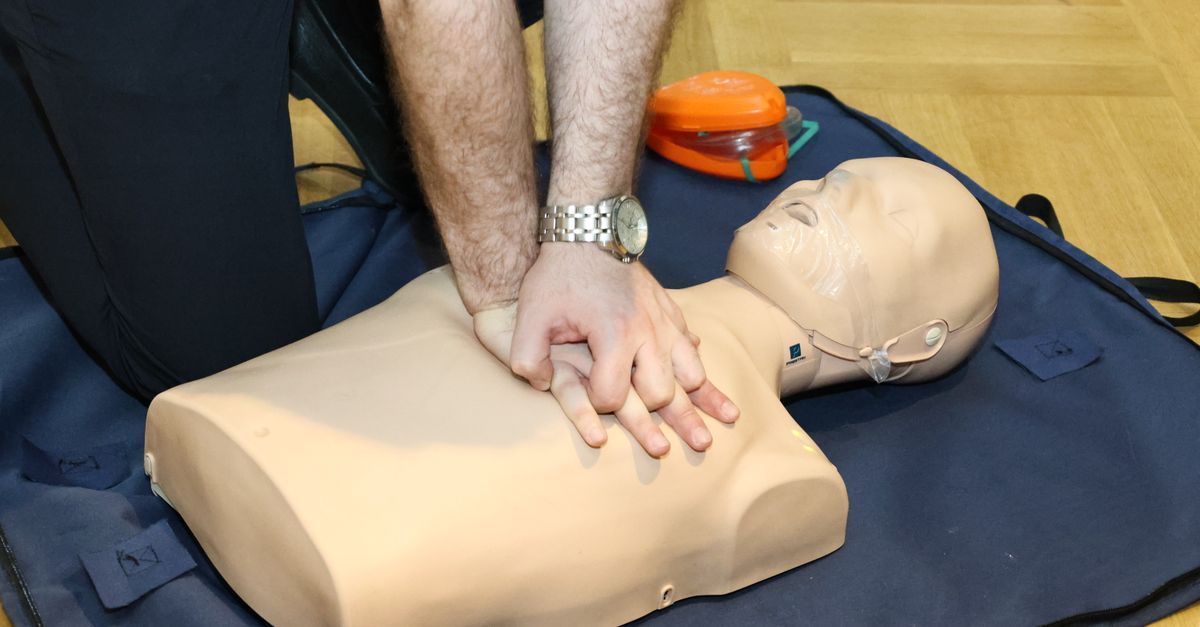
  4. Give wider teams CPR and AED skills as well, since a cardiac arrest can happen to an employee or a member of the public anywhere. Our HeartSaver CPR and AED course suits staff who are not designated first aiders.

Equipment and Information to Bring

A portable first aid kit that matches the risks of the job should travel with each team, along with the contents list so it can be checked and restocked after every event. Outdoor work in late October and November calls for foil blankets and a way to keep an injured person warm and dry, while catering stands should carry burn dressings. Store the kit somewhere everyone knows, not locked in a van parked outside.

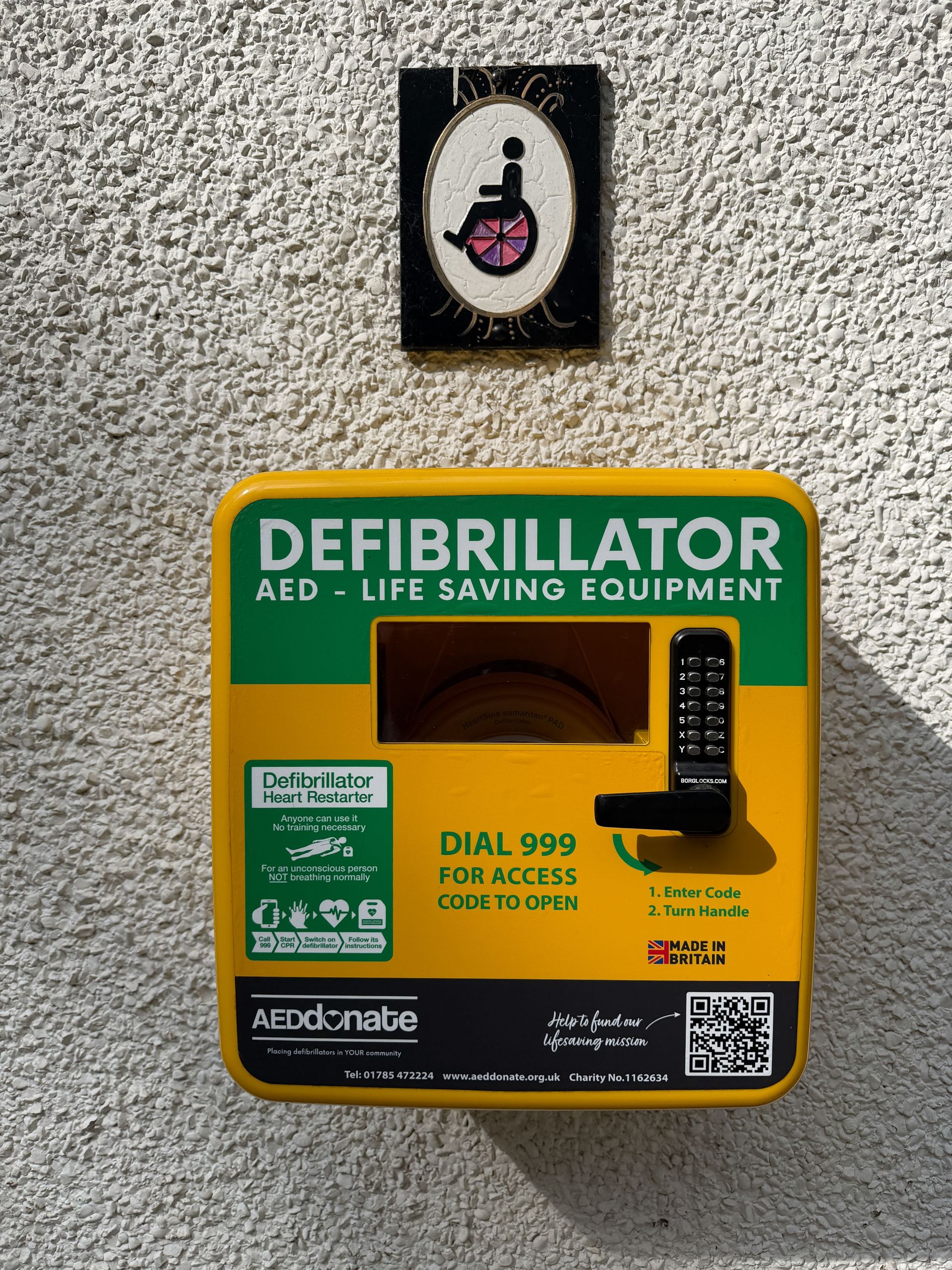
Alongside the kit, each temporary site should have a short written note covering the names and mobile numbers of the first aiders on duty, the exact address and Eircode, the ambulance access point, the location of the nearest AED and the venue's own medical or security contact. Display the emergency numbers 112 and 999 and brief staff on the arrangements at the start of each job. Record any incident and the first aid given.

Keeping Cover Consistent from Site to Site

First aid at events and temporary workplaces works best when it is planned in the same way each time: a quick risk assessment for the location, a named trained first aider for every hour of work, a suitable kit and clear information about how to get help. The legal duty does not change because a site is short-term, and the practical risks are often higher when people are working somewhere new.

Handle with Care delivers FAR, FAR recertification, CPR and AED and basic first aid training at your premises for groups of staff across Ireland. To arrange training for the people who cover your events and temporary sites, contact Handle with Care, call 086 202 4504 or email info@handlewithcare.ie.

by Handle with Care • 24 October 2026
Bought a workplace AED? Learn where to position it, how to check it regularly, and why trained CPR and AED responders still matter in Ireland.
Industrial employees attending on-site First Aid Responder training
by Handle with Care • 5 October 2026
See how outsourcing 3-Day FAR training helps industrial employers manage training, certification, refresher courses and responder cover more effectively.
Employees taking part in first aid training in an industrial workplace
by Handle with Care • 5 October 2026
Learn why 3-Day FAR training is vital for Irish industrial workplaces with large workforces, higher risks, multiple shifts and complex emergency needs.

Show More
by Handle with Care • 24 October 2026
Bought a workplace AED? Learn where to position it, how to check it regularly, and why trained CPR and AED responders still matter in Ireland.
Industrial employees attending on-site First Aid Responder training
by Handle with Care • 5 October 2026
See how outsourcing 3-Day FAR training helps industrial employers manage training, certification, refresher courses and responder cover more effectively.
Employees taking part in first aid training in an industrial workplace
by Handle with Care • 5 October 2026
Learn why 3-Day FAR training is vital for Irish industrial workplaces with large workforces, higher risks, multiple shifts and complex emergency needs.
Employees attending on-site workplace first aid training together
by Handle with Care • 7 September 2026
Discover how on-site first aid training helps Irish multi-site businesses improve consistency, reduce disruption and maintain responder cover across locations.

Show More