
Why Industrial Workplaces Need 3-Day FAR Training
Why Industrial Workplaces Need 3-Day First Aid Responder Training
Industrial workplaces bring together people, machinery, vehicles, tools, materials and demanding work processes, often across large premises and multiple shifts. When employee numbers are significant and the potential consequences of an accident are greater, first aid provision cannot be treated as a simple box-ticking exercise. Employers need a practical system that gives trained people the confidence and skills to respond when an employee becomes injured or suddenly unwell.
For factories, manufacturing plants, warehouses, production facilities, engineering businesses and other industrial environments in Ireland, the 3-Day First Aid Responder (FAR) course provides comprehensive workplace first aid training for nominated employees. It prepares participants to assess incidents, provide immediate assistance and support a casualty while professional medical help is being arranged.
The value of FAR training becomes particularly clear in a busy industrial setting. A workplace may contain hundreds of employees, large operational areas, several departments and different shift patterns. Even where strong preventative controls are in place, employers still need to consider what happens in the first critical minutes after an incident.
Industrial First Aid Training for Higher-Risk Workplaces
Industrial Environments Present Different Risks
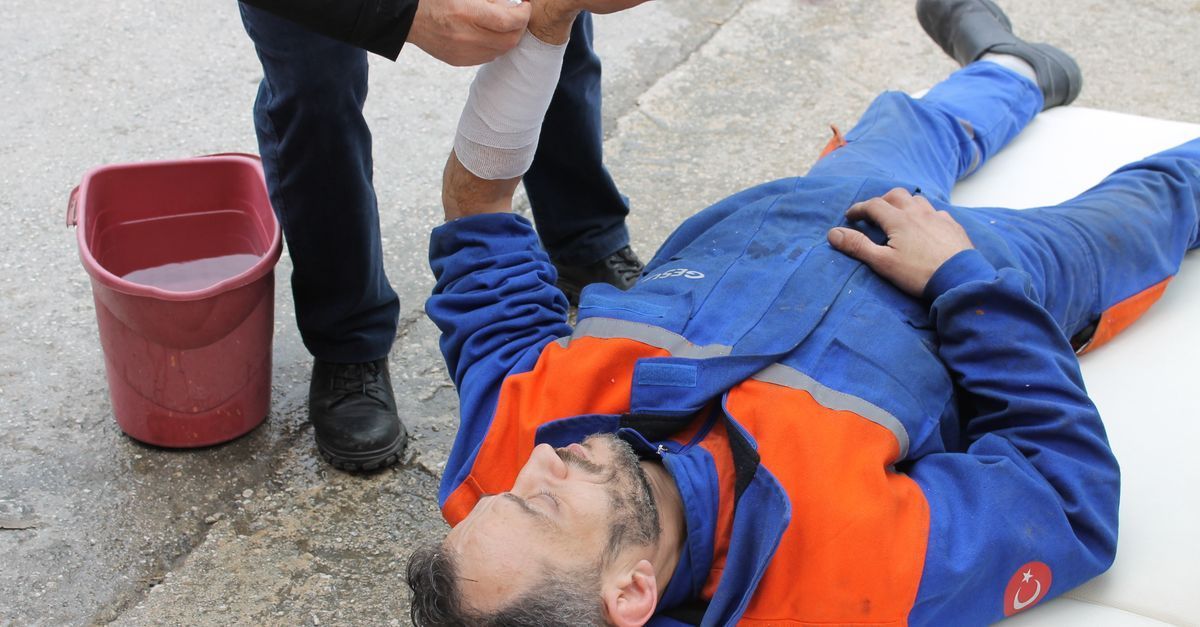
Every workplace needs appropriate first aid arrangements, but the risk profile of an industrial site can be very different from that of a small office. Manufacturing and production environments may involve moving machinery, forklifts, loading operations, cutting equipment, powered tools, work at height, manual handling and interaction with materials or processes that can cause injury.
The objective is always to prevent accidents through proper risk assessment, safe systems of work, training and supervision. First aid training does not replace any of those controls. It provides another important layer of preparedness for occasions when an incident still occurs despite preventative measures.
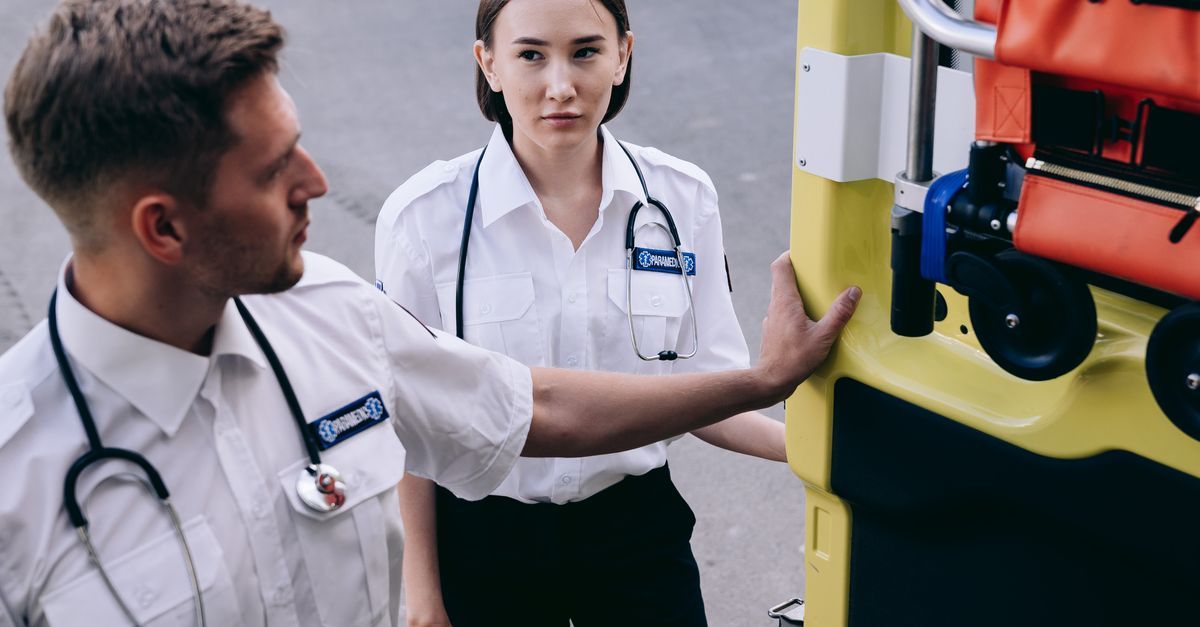
A trained First Aid Responder can recognise an emergency, assess the casualty and take appropriate immediate action. In a serious incident, that early response can be particularly important while emergency medical services are travelling to the workplace and making their way through a large industrial site.
Large Employee Numbers Change First Aid Planning
A significant workforce creates a practical challenge for employers. It is not enough to say that the business has one or two trained people somewhere on the premises. First aid cover should reflect how many people are working, where they are located and when they are present.
A factory employing a large number of people may operate several production areas at the same time. A distribution centre may have separate goods-in, picking, packing, loading and administration zones. A manufacturing business may also employ maintenance teams, contractors and office staff within the same complex.
Employers should therefore consider whether trained responders are distributed sensibly throughout the workplace. If an incident happens at the far end of a large production floor, assistance needs to be accessible without unnecessary delay. The same principle applies when employees work in separate buildings or across a large industrial campus.
Shift Work Requires Reliable Responder Cover
Many industrial businesses operate beyond standard office hours. Two-shift, three-shift and 24-hour operations require first aid planning that reflects the actual rota. Having several qualified responders is of limited value if they all work the same daytime shift.
Managers should look at each shift independently and consider annual leave, sickness, training days and staff turnover. A robust arrangement normally includes sufficient depth so that first aid cover does not disappear whenever one employee is absent.
This is one reason larger industrial employers often choose to train a group of employees rather than relying on a single nominated person. A broader pool of First Aid Responders can provide more dependable coverage across departments, shifts and periods of absence.
Why the 3-Day FAR Course Matters
The 3-Day First Aid Responder course gives employees time to develop practical skills rather than simply receiving a brief introduction to first aid. Participants learn how to approach an emergency systematically, assess a casualty and decide what immediate assistance is required.
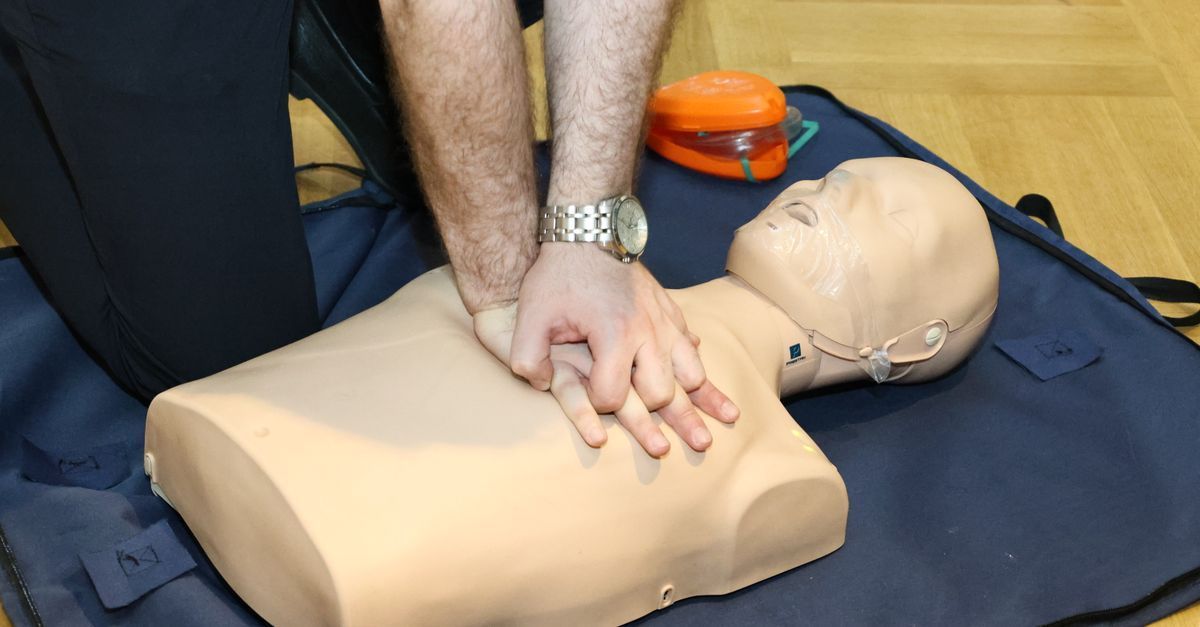
Training includes important workplace emergency skills such as cardiopulmonary resuscitation, use of an automated external defibrillator and response to a range of injuries and medical emergencies. Practical exercises allow participants to apply what they learn and build confidence in a controlled environment.
That practical element is especially valuable for industrial teams. In a real emergency there may be noise, machinery, colleagues gathering around and pressure to act quickly. Employees who have practised first aid skills are better placed to follow a structured response rather than trying to work out what to do for the first time.
Faster Help Across Large Premises
Industrial premises can be physically large. Warehouses may extend across thousands of square metres, while factories can contain multiple production halls, storage areas, yards and ancillary buildings. The distance between a casualty and the nearest trained responder can therefore become part of the first aid risk assessment.
Training employees in different operational areas can reduce reliance on somebody travelling from one end of the site to another. It also helps create local knowledge: responders understand their own work area, access routes, first aid points and how emergency services can reach the casualty.
Employers should consider the complete response journey. How is a responder contacted? Where is the nearest first aid kit? Is an AED available? Who calls 112 or 999? Who meets the ambulance at the entrance? These arrangements work best when trained staff understand their role before an emergency occurs.
Supporting Serious Medical Emergencies
Not every workplace first aid incident results from an accident. Employees can also experience sudden medical emergencies at work. Cardiac arrest, breathing difficulties, seizures, diabetic emergencies and other acute conditions can occur in any workplace regardless of the industry.
Where hundreds of people work on the same site, employers should consider this wider medical risk alongside occupational hazards. First Aid Responders are trained to recognise emergency situations, summon appropriate help and provide immediate care within the scope of their training.
CPR and AED skills are particularly important because early action matters during a cardiac emergency. An AED is most useful when employees know where it is, can retrieve it quickly and have the confidence to use it as part of a coordinated emergency response.
Industrial First Aid Is Part of a Wider Safety System
Strong industrial safety depends on several measures working together. Risk assessments, machine guarding, personal protective equipment, safe operating procedures, manual handling controls and supervision are designed to reduce the likelihood of incidents. First aid arrangements prepare the organisation for the possibility that someone may still need urgent assistance.
First Aid Responders can also contribute positively to the wider safety culture. Because they have received structured emergency training, they often become more aware of practical issues such as blocked access to first aid equipment, outdated responder lists or uncertainty about emergency contact procedures.
Management should encourage this feedback. First aid arrangements should evolve as the workplace changes, particularly when new machinery, processes, shifts, buildings or employee groups are introduced.
Training Several Employees Builds Resilience
In a large industrial workforce, training multiple employees creates resilience. It reduces dependence on one individual and gives managers more flexibility when organising shifts. It can also allow more than one trained person to assist during a complex incident.
A serious emergency may involve several tasks at once. One responder may concentrate on the casualty while another retrieves equipment, communicates with emergency services or helps manage the immediate area. Having trained colleagues who understand the same principles can make coordination easier.
Group FAR training can also encourage employees from different departments to discuss how emergency arrangements work across the site. Production, warehouse, maintenance and supervisory staff may identify practical improvements simply by considering scenarios together.
On-Site FAR Training Makes Sense for Industrial Teams
For employers training a group of staff, bringing the 3-Day FAR course to the workplace can be particularly practical. Employees do not need to travel individually to public training venues, and the organisation can coordinate participants around operational requirements.
On-site training also provides useful workplace context. While the course follows the required training programme, participants can relate emergency response principles to the type of environment in which they actually work. Discussions about first aid equipment, AED locations, access routes and communication procedures become immediately relevant.
Handle with Care specialises in delivering workplace training to groups at client premises. This suits industrial employers that want to train nominated employees together while keeping the focus on their organisation's first aid preparedness.
Keeping FAR Training Current
First aid competence needs ongoing management. Employers should maintain clear records showing who is trained, where each responder normally works and when refresher or renewal training is due. This is particularly important for large organisations where dozens of employees may hold different training dates.
Managers should avoid waiting until qualifications have expired before planning the next course. A training register and advance reminders make it easier to organise refresher training while maintaining adequate cover.
Staff turnover should also trigger review. If a trained responder leaves the company, changes shift or transfers to another site, the first aid plan may need to be adjusted and another employee nominated for training.
Preparing an Industrial Workforce for the Unexpected
No employer can predict exactly when a medical emergency or workplace injury will occur. What can be controlled is the level of preparation. In an industrial setting with substantial employee numbers and potentially higher-risk activities, that preparation deserves careful attention.
The 3-Day First Aid Responder course gives nominated staff a structured foundation in workplace first aid and practical emergency response. When enough employees are trained across the right shifts and locations, the organisation is better equipped to provide immediate assistance while professional help is on the way.
Handle with Care provides 3-Day First Aid Responder training for industrial workplaces throughout Dublin and across Ireland . Courses can be delivered on site for company groups, helping factories, warehouses, manufacturing facilities and other industrial employers build reliable first aid cover around their workforce and operations. Contact Handle with Care to discuss an on-site FAR course for your team.