
First Aid Training for Construction Companies in Dublin
First Aid Training for Construction Companies in Dublin
Construction work is one of the most demanding sectors when it comes to workplace safety. Sites are busy, physical and constantly changing, with workers, subcontractors, machinery, tools, materials and delivery vehicles often operating in the same space. For construction companies in Dublin, first aid training is not simply a helpful extra. It is a practical part of protecting people, managing risk and supporting a safer working environment every day.
When an incident happens on site, the first few minutes matter. A trained First Aid Responder can assess the scene, provide initial care, keep the casualty safe and support the emergency response until professional medical help arrives. This can make a major difference in situations involving falls, cuts, crush injuries, burns, sudden illness, electric shock or a worker becoming unresponsive.
For employers, contractors and site managers, the question is not whether construction workers might need first aid support. The real question is whether the business has enough trained people, in the right locations, across the full working day. A well-planned first aid training programme helps create confidence, reduces uncertainty and shows that worker welfare is being taken seriously.
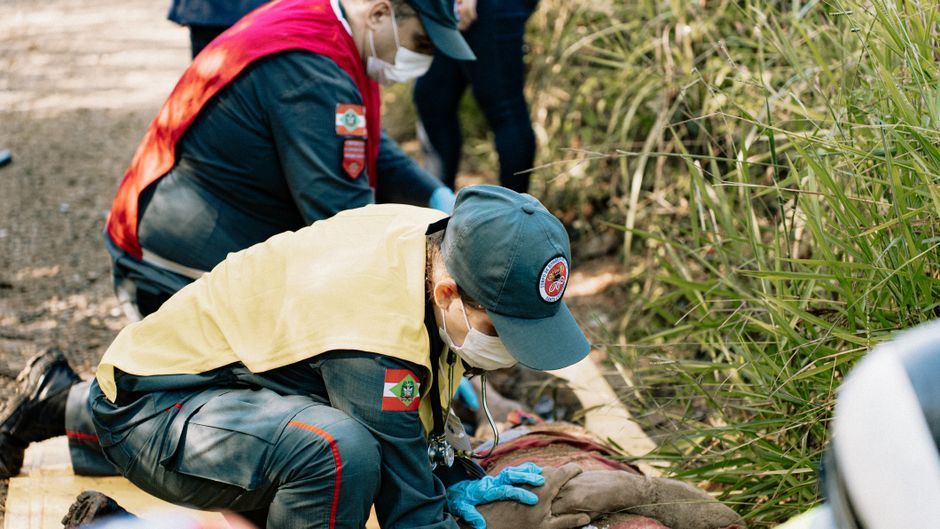
Why First Aid Training Matters on Construction Sites
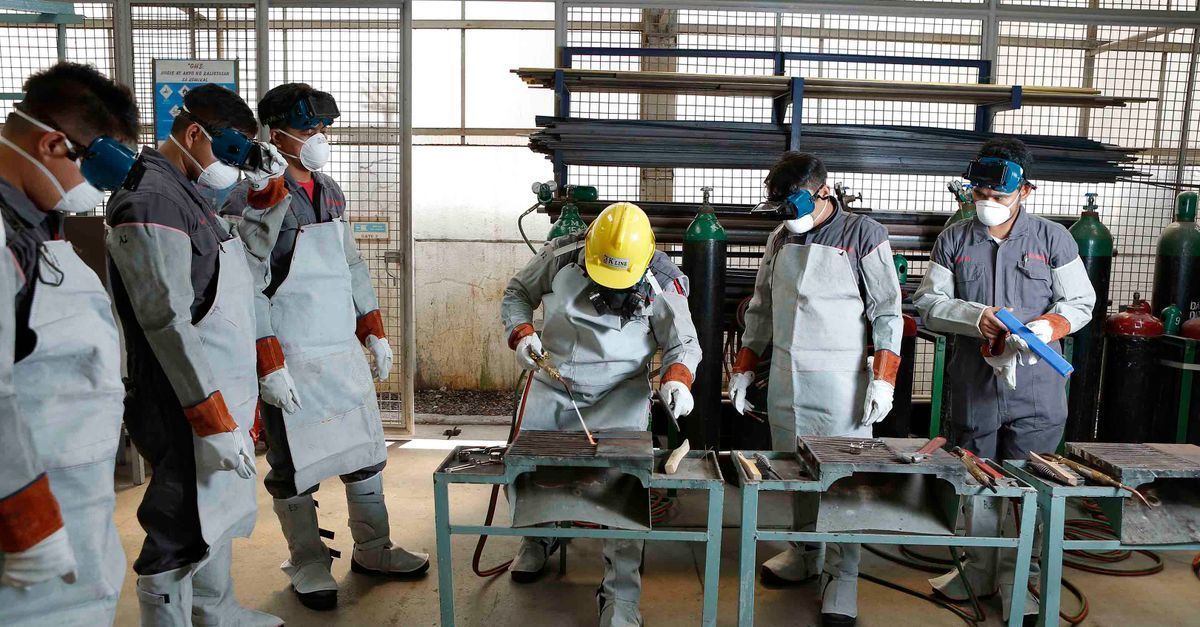
Construction environments contain risks that are not normally found in a standard office or low-risk workplace. Workers may be using cutting tools, lifting heavy materials, working at height, operating near plant and machinery, handling chemicals, or moving around uneven ground. Even with strong safety controls in place, accidents and medical emergencies can still occur.
First aid training gives nominated staff the ability to respond quickly and appropriately when something goes wrong. This does not replace emergency services, medical care or site safety controls. Instead, it provides an immediate bridge between the incident and professional help. On a large site, even getting the right person to the right location quickly can make a real difference.
For Dublin construction companies, traffic, site access and location can also affect emergency response times. A city centre project, a residential development, a commercial refurbishment or a site on the outskirts of Dublin may each present different challenges. Trained first aiders who understand the site layout and emergency procedures can help manage those early minutes more effectively.
Common Construction Site Incidents That Require First Aid
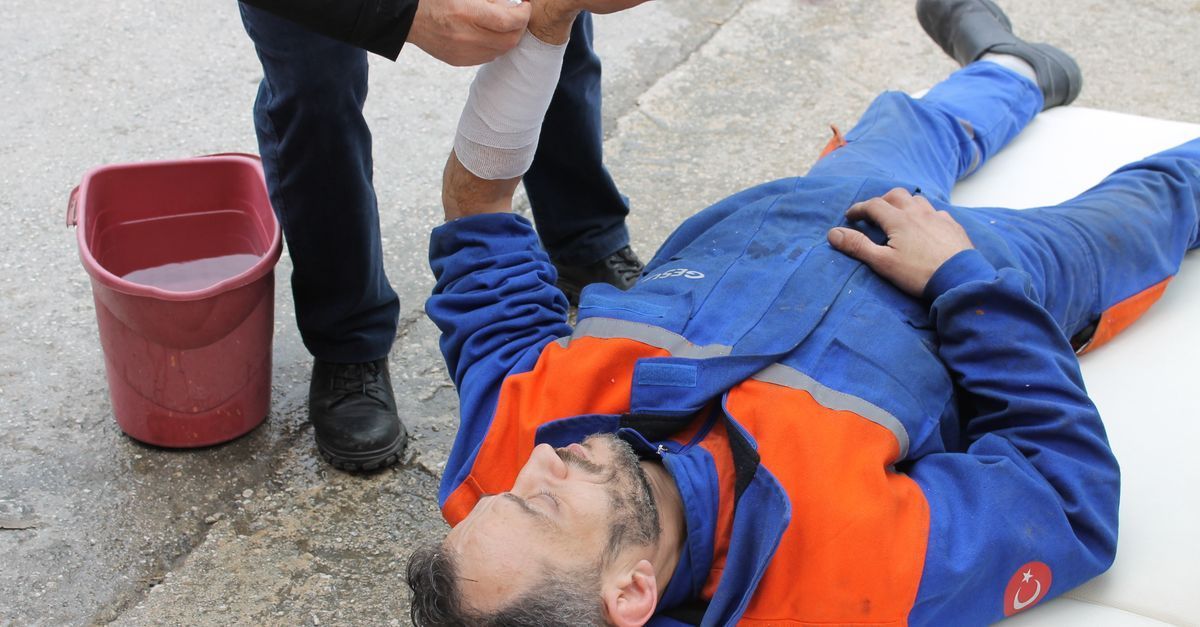
Construction first aid arrangements should reflect the real risks present on site. Common incidents may include slips, trips and falls, cuts and lacerations, eye injuries, burns, sprains, fractures, manual handling injuries, crush injuries and sudden medical emergencies. A worker may also experience chest pain, breathing difficulty, seizure, fainting or diabetic complications during the working day.
Some incidents may be minor but still need proper treatment and recording. Others can become serious very quickly. For example, heavy bleeding, head injury, breathing problems or a worker losing consciousness require a calm and structured response. First Aid Responder training helps staff recognise when urgent action is needed and when emergency services should be contacted immediately.
Training also helps prevent panic. On a busy site, an accident can quickly attract attention and confusion. A trained responder can help create space, reassure the casualty, direct other workers, support communication with supervisors and ensure that the emergency response is organised rather than chaotic.
How Many First Aiders Does a Construction Company Need?
There is no one-size-fits-all answer because every construction company and site is different. A small refurbishment team will have different needs from a large commercial development with multiple subcontractors and several work zones. The number of trained first aiders should be based on a workplace first aid risk assessment, not guesswork.
Important factors include the number of workers on site, the level of risk, the type of work being carried out, site layout, working hours, shift patterns, access arrangements, distance from medical help and the presence of subcontractors or visitors. A company should also consider annual leave, sickness, turnover and whether trained personnel are always available during site operations.
In practice, many construction businesses train more than the minimum number of staff so that cover remains reliable. If only one person is trained and they are away from site, in a meeting, on another project or off sick, the business may be left exposed. A stronger approach is to build a small team of trained First Aid Responders across supervisors, forepersons, safety representatives and selected workers.
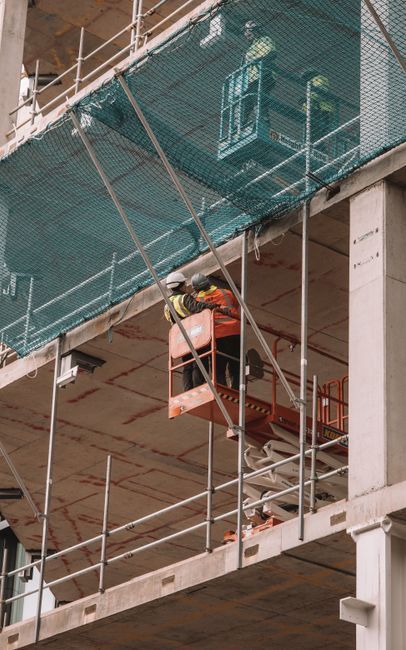
First Aid Responder Training for Construction Teams
First Aid Responder training is the current workplace first aid training route used by many Irish employers. It is designed to give nominated staff the knowledge and practical skills to manage common workplace first aid situations until professional help arrives. For construction companies, the practical nature of the training is particularly important.
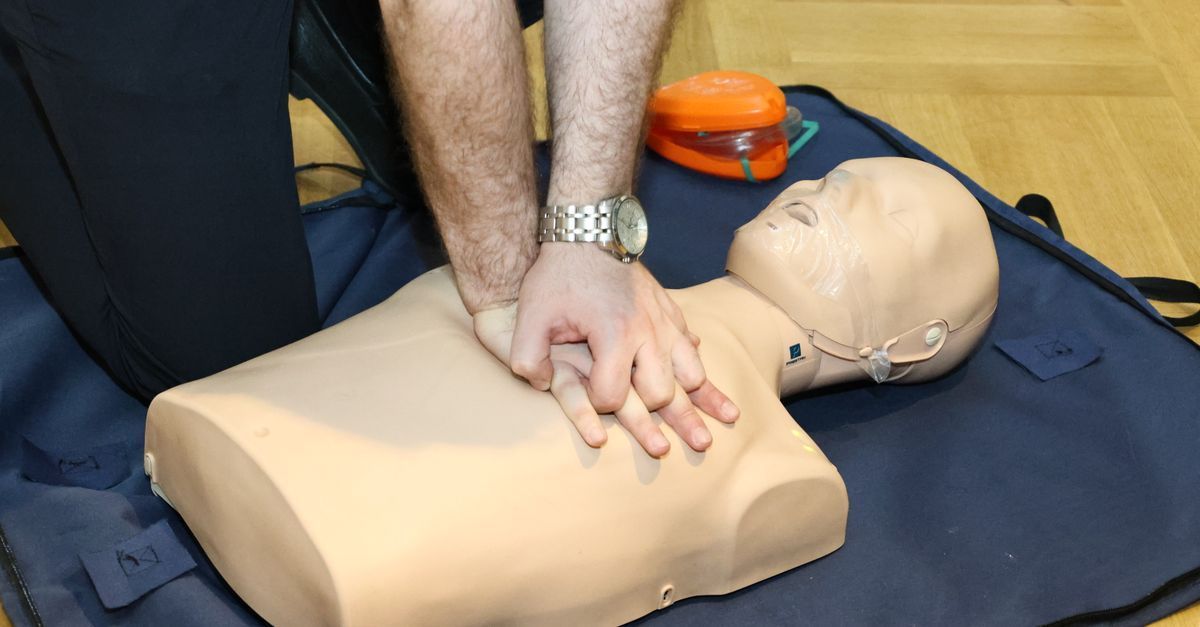
Course content normally includes patient assessment, CPR, AED awareness and use, choking, bleeding, shock, burns, fractures, soft tissue injuries, medical emergencies and scene safety. These are directly relevant to construction settings, where responders may need to assess hazards before approaching a casualty and make decisions in a busy work environment.
The best training is not just about memorising steps. It helps staff practise scenarios, think clearly under pressure and understand their role within the company’s wider emergency arrangements. When responders are trained together, they can also build stronger communication and teamwork, which is valuable on site.
The Role of Site Managers and Supervisors
Site managers and supervisors play a central role in making first aid arrangements work properly. They are often responsible for ensuring that trained responders are available, equipment is accessible, emergency information is displayed and incidents are recorded correctly.
They should know who the trained First Aid Responders are on each site, where the first aid kit and AED are located, how to contact emergency services, who will meet an ambulance at the entrance and how to guide responders safely to the casualty. These details may seem simple, but they are often the difference between a controlled response and a confused one.
Supervisors should also make sure workers know the site’s emergency procedures during induction. A new subcontractor should not have to guess who to call after an incident. Clear briefings, visible signage and regular reminders help make first aid part of everyday site safety rather than something only discussed after an accident.
First Aid Kits and Equipment on Construction Sites
Training and equipment must work together. A trained responder needs suitable supplies, and a first aid kit is far more useful when staff know how to use the contents properly. Construction sites should have first aid equipment that reflects the risks and number of people present.
First aid kits should be clearly marked, easy to access and checked regularly. Supplies can be used quickly on an active site, so relying on an unchecked box in a site office is not enough. Someone should be responsible for monitoring stock levels, expiry dates and the condition of equipment.
Where an AED is available, workers should know where it is and how to raise the alarm. CPR and AED training can be vital in a cardiac emergency, and construction companies should make sure their responders are confident in these skills. Good signage and simple communication can save valuable time.
Subcontractors, Visitors and Shared Sites
Many Dublin construction projects involve several contractors and subcontractors working together. This can make first aid planning more complex. Employers and principal contractors should be clear about how first aid cover is arranged, who is responsible for what, and how information is communicated across the site.
It is risky to assume that another contractor’s first aider will always be available or responsible for everyone. Shared arrangements can work, but they need to be agreed and understood. Each company should know its own duties and ensure that workers are not left without suitable support.
Visitors, inspectors, delivery drivers and clients may also be present on site. First aid arrangements should take account of anyone who could reasonably be affected by site activities. Clear entry procedures, sign-in systems and emergency instructions help ensure that everyone knows what to do if an incident occurs.
Keeping Training Current
First aid skills need to be maintained. A company that trained staff several years ago but has not reviewed expiry dates may not have the cover it thinks it has. Training records should be kept up to date and checked as part of normal health and safety management.
Construction businesses often experience staff changes, movement between projects and changing site conditions. A responder who was available on one project may not be present on another. Regular reviews help ensure that each site has the right cover, not just the company as a whole.
Refresher training also supports confidence. Even experienced workers can feel uncertain if they have not practised first aid skills for some time. Regular training keeps procedures fresh and helps responders remain calm when an emergency happens.
Benefits of On-Site Group Training
On-site training can work very well for construction companies because it allows teams to learn together in a context that feels relevant. Instead of sending individuals to separate public courses, employers can train a group of workers, supervisors or site staff at the same time.
This helps create consistency. Everyone hears the same guidance, practises the same response approach and understands how first aid fits into the company’s site procedures. Training can also be planned around project schedules, reducing disruption and making it easier to train the right people.
For companies operating across Dublin and surrounding areas, group training can support a more organised approach to compliance. It allows employers to build a stronger internal safety culture and demonstrate that first aid is treated as a practical site requirement, not an afterthought.
Building a Safer Construction Culture
First aid training should not be viewed in isolation. It forms part of a wider safety culture that includes risk assessment, safe systems of work, training, supervision, communication and incident review. When workers see that first aid arrangements are taken seriously, it reinforces the message that people matter.
A strong safety culture also encourages earlier reporting. Workers may be more likely to report minor injuries, near misses or concerns when they trust that the company responds properly. This gives employers better information and helps prevent more serious incidents in the future.
For Dublin construction companies competing for contracts and maintaining professional standards, visible investment in safety can also support reputation. Clients, workers and subcontractors all benefit from knowing that emergency response has been planned properly.
Conclusion
Construction companies in Dublin face a wide range of workplace risks, and first aid training is a key part of preparing for the unexpected. A trained First Aid Responder can provide immediate support, reduce confusion and help protect workers during the critical first moments after an incident.
The right approach depends on your site, workforce, risks and working patterns. Employers should review their first aid needs, train suitable staff, keep records current and ensure that equipment and emergency procedures are clearly communicated. A first aid plan that looks good on paper is only effective if it works on a real site when pressure is high.
Handle with Care provides professional workplace first aid training for construction companies, contractors and employers throughout Dublin and across Ireland. If your team needs First Aid Responder training, refresher training or on-site group training tailored to your working environment, contact Handle with Care today and we will help you plan a practical, compliant training solution for your site.