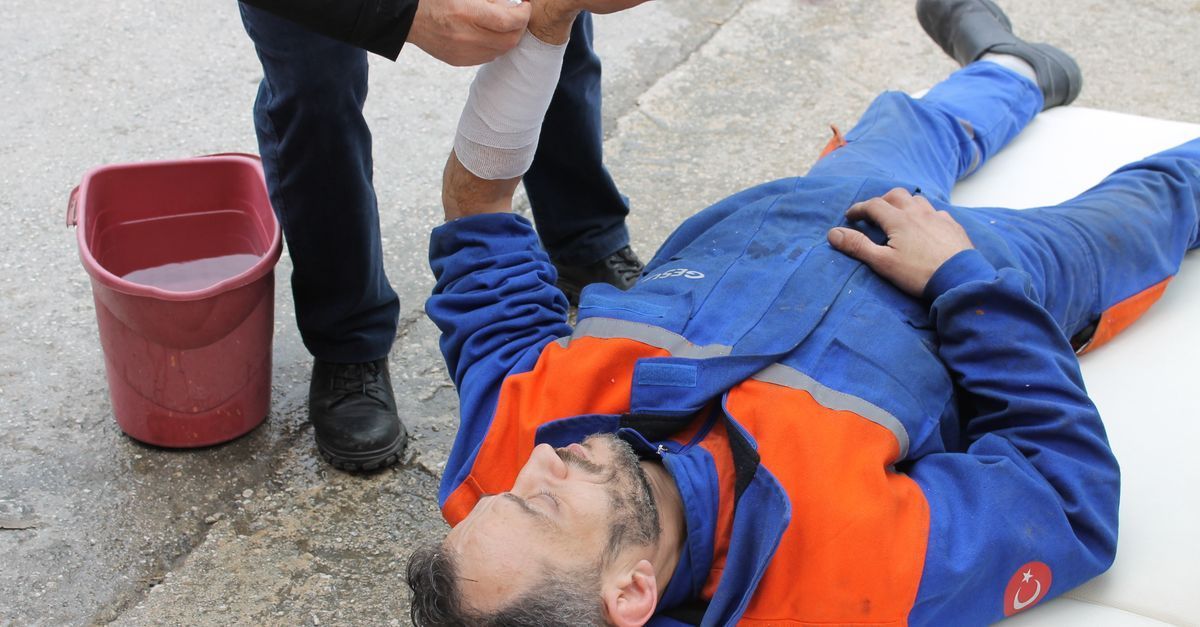

What Happens During a Workplace First Aid Inspection?
What Happens During a Workplace First Aid Inspection?
For many Irish employers, the idea of a workplace health and safety inspection can create uncertainty. Even businesses that take safety seriously may wonder whether their first aid arrangements are sufficiently organised, whether training records are current and whether the equipment available actually reflects the needs of the workplace.
First aid is only one part of wider workplace health and safety responsibilities, but it is an important area to keep under regular review. An employer should be able to demonstrate that first aid needs have been considered properly and that practical arrangements exist for responding to injury or sudden illness. This means looking beyond the presence of a first aid box and considering trained personnel, accessibility, working patterns, emergency procedures and record keeping.
Preparation should not begin when an inspection is expected. The strongest approach is to make first aid management part of normal business operations. When records are current, equipment is maintained and employees know what to do, an inspection becomes a review of arrangements that are already working rather than a last-minute scramble to correct gaps.
1. The Starting Point: Your First Aid Needs Assessment
A sensible first aid system begins with an assessment of the workplace. Employers need to consider the nature of the work, the hazards present, workforce numbers, workplace layout and how quickly assistance can reach someone who becomes injured or unwell.
A small office and a large warehouse will naturally have different requirements. A construction site may involve work at height, tools, machinery and changing site conditions, while a retail business may need to consider employees as well as large numbers of customers. An inspection may therefore focus on whether the arrangements make sense for the actual workplace rather than whether the employer has followed a generic template.
Shift patterns are particularly important. A company may have several trained First Aid Responders, but if they all work Monday to Friday during daytime hours, a weekend or night shift may have inadequate cover. Annual leave, sickness and hybrid working can create similar gaps.
Employers should be able to explain how they arrived at their current arrangements and when those arrangements were last reviewed. Changes to staffing, premises or operations should trigger another look at first aid needs.
2. Are Trained First Aid Responders Actually Available?
One of the most practical questions is whether appropriately trained people are available when employees are at work. Having names on a spreadsheet is not enough if those people are rarely present, have moved to another location or are routinely assigned to the same shift.
Employers should maintain a clear record of who has completed First Aid Responder training and when their training requires renewal. Managers should also understand where those employees normally work and how they can be contacted quickly during an emergency.
For larger premises, distribution matters. If every trained responder works in administration at one end of a large facility, employees in a warehouse, workshop or separate building may not receive timely assistance. Training staff across different departments or zones can provide more reliable cover.
Businesses should also plan for normal absences. Training a small number of additional employees can prevent first aid cover from disappearing when someone is on holiday, off sick or attending an external meeting.
3. Training Records and Certification
Training records provide evidence that the organisation has taken practical steps to prepare employees for emergencies. Records should be organised enough that the employer can identify trained responders without searching through old emails or individual personnel files during an inspection.
A simple training register can include the employee's name, course completed, training date and renewal date. Responsibility for monitoring renewals should be assigned to someone specific, such as HR, a health and safety manager, facilities manager or business owner.
First aid training should not be treated as a once-off task. Skills need to remain current, and businesses should plan refresher training before certificates lapse. Waiting until the last trained responder is close to expiry creates unnecessary compliance and operational risk.
It is also useful to retain course documentation and relevant certificates in an organised location. Digital records can work perfectly well provided they are accessible to the people responsible for workplace safety.
4. First Aid Kits and Their Locations
A first aid kit is one of the most visible parts of workplace provision, but simply owning one does not demonstrate that arrangements are effective. The kit needs to be appropriate, accessible, clearly identified and maintained.
During a workplace review, consider whether first aid supplies are positioned where employees can reach them quickly. Large premises may need several first aid points. A single kit stored in a locked management office may not be suitable for a warehouse spread across multiple operational areas.
Supplies should be checked regularly. Items can be used and not replaced, packaging can become damaged and some products have expiry dates. Assigning responsibility for inspections prevents the common situation where everyone assumes someone else is checking the kit.
Employees should know where first aid equipment is located. New starters can be shown the nearest first aid point during induction, and locations can be reinforced through workplace signage and safety briefings.
5. AED Arrangements May Also Form Part of Emergency Preparedness
Where a workplace has an automated external defibrillator, the device should be incorporated into emergency planning rather than simply mounted on a wall. Employees should know where it is, and trained responders should be familiar with CPR and AED use.
Accessibility matters. If the AED is behind a locked door, in another building or inaccessible during certain shifts, its usefulness may be reduced. Employers should consider how quickly it could realistically reach a casualty anywhere within the premises.
Routine equipment checks should also be assigned to a responsible person. The organisation should follow the manufacturer's requirements and make sure the device remains ready for emergency use.
Clear signage can help employees and visitors identify the AED location quickly. In a cardiac emergency, simple preparation can save valuable time.
6. Employees Should Know How to Raise the Alarm
First aid arrangements depend on communication. An employee who witnesses an incident needs to know how to summon assistance immediately. This can become surprisingly complicated in large buildings, shared offices, warehouses or sites where employees work across several zones.
The process should be simple. Staff should know who to contact, how to reach a trained First Aid Responder and when emergency services should be called. Reception, security and supervisors may all have roles within the response plan.
Emergency access should also be considered. Who meets an ambulance? Which entrance should paramedics use? Are gates locked? Does reception need to release a security door? Could parked vehicles block access to a loading yard or remote part of the premises?
These details are easy to overlook until an emergency occurs. Reviewing them in advance allows the organisation to remove avoidable delays.
7. First Aid Information for Employees
Employees do not all need to be trained First Aid Responders, but everyone should know the basic workplace procedure. Staff should be able to identify how to get help, where equipment is located and who the trained responders are.
Information can be provided through induction, staff handbooks, noticeboards, internal safety communications or toolbox talks. The method matters less than whether employees actually understand what to do.
Lists of trained responders should also remain current. A noticeboard showing people who left the company six months ago provides little practical value. Changes should be reflected promptly wherever first aid information is displayed.
Businesses with contractors, temporary staff or agency workers should consider how these people receive emergency information too. They may not be familiar with the premises and should not have to guess what to do after an incident.
8. Accident and First Aid Records
Incident records can help employers understand what is happening in the workplace and identify patterns that require further action. Repeated minor injuries in one area, for example, may indicate a problem with equipment, housekeeping, work methods or training.
Records should be handled appropriately and with due regard for confidentiality. The purpose is not simply administrative. Good records allow management to review incidents, learn from them and determine whether existing controls remain suitable.
After a significant incident, employers should consider whether first aid arrangements worked as intended. Was a responder available? Could the kit be found quickly? Was the ambulance directed to the correct entrance? Did staff know who to contact?
An incident can expose weaknesses that were not obvious during a routine assessment. Addressing those weaknesses improves future preparedness.
9. Common First Aid Gaps Employers Can Find During a Review
Many first aid shortcomings are relatively simple to correct once identified. One common issue is expired or incomplete training coverage. The business may believe it has several first aiders only to discover that certificates need renewal or that trained staff have moved roles.
Another frequent problem is inadequate cover across shifts or departments. This is particularly relevant in manufacturing, logistics, hospitality and other workplaces operating beyond standard office hours.
First aid kits may also be poorly located, incomplete or unchecked. Emergency information may be out of date, and employees may be uncertain about who the current responders are.
These issues demonstrate why regular internal reviews are valuable. Finding and correcting a gap yourself is far preferable to discovering it during an emergency.
10. Do Not Treat First Aid as a Paper Exercise
Documentation is important, but a workplace can have excellent paperwork and still be poorly prepared. The real test is whether the system would work if someone collapsed or suffered a serious injury today.
Ask practical questions. If an employee became unresponsive in the furthest part of the premises, who would reach them first? How would that person be contacted? Where is the AED? Who would call emergency services? Who would meet the ambulance?
If managers cannot answer those questions confidently, the organisation may need to review its arrangements. Emergency preparedness is ultimately about people, equipment and procedures working together.
Practical first aid training supports this by giving employees experience of assessing casualties, performing CPR, using an AED and responding to common workplace emergencies.
11. Preparing for an Inspection Without Last-Minute Panic
The easiest way to prepare is to maintain good arrangements throughout the year. Set reminders for training renewals, schedule periodic kit inspections and review first aid cover when staffing or working arrangements change.
Include first aid in workplace inductions and make sure managers understand their role. Keep records organised and accessible. Review emergency access and communication procedures periodically, particularly after moving premises or making substantial changes to the site.
It can also be useful to conduct an internal first aid review. Walk through the workplace as if an incident had just happened and check how quickly assistance and equipment could reach different areas.
This approach turns compliance into practical preparation. It also helps identify weaknesses before they become a problem during an emergency.
12. First Aid Training Supports Wider Workplace Compliance
Effective first aid arrangements form part of a broader workplace safety system. Risk assessment, manual handling, fire safety, emergency procedures, employee training and incident management all interact.
When employers invest in proper First Aid Responder training, they are not simply obtaining certificates. They are developing employees who can provide immediate assistance when colleagues, contractors or visitors need help.
Training also creates greater awareness of emergency planning. Participants often return to the workplace with practical questions about kit locations, AED access and communication procedures, prompting useful improvements.
For Irish businesses, maintaining first aid arrangements should therefore be seen as an ongoing management responsibility rather than a task completed once and forgotten.
Conclusion
A workplace first aid inspection or safety review should not be something an employer fears. If first aid needs have been assessed, trained responders are genuinely available, equipment is maintained and employees understand emergency procedures, the business is already in a much stronger position.
The most important step is to review arrangements regularly. Workforce numbers change, employees leave, certificates expire and businesses move premises. First aid provision needs to change with the workplace.
Handle with Care provides professional First Aid Responder training and workplace safety training for businesses throughout Dublin and across Ireland. If you need to train additional First Aid Responders, renew existing qualifications or organise an on-site course for your team, contact Handle with Care today to discuss the right training solution for your workplace.