
Why Warehouses and Logistics Businesses Need First Aiders
Why Warehouses and Logistics Businesses Need Trained First Aiders
Warehouses and logistics operations are fast-moving workplaces where people, vehicles, machinery, stock and tight delivery schedules all interact. Even with strong safety procedures in place, the nature of the work means accidents and medical emergencies can still happen. A worker may suffer a cut, fall from a loading area, strain themselves while moving goods, become trapped or crushed, experience a sudden illness or collapse without warning.
For Irish employers, trained first aiders are an important part of workplace emergency preparedness. The goal is not to replace professional medical care. It is to make sure someone on site can assess an incident, provide immediate support and help manage the situation until emergency services arrive.
This is particularly important in warehouses, depots and logistics centres because these workplaces can be large, noisy and spread across several operational zones. A first aider based in an office may be some distance from the loading bay or picking area. Businesses therefore need to consider not only how many trained people they have, but where those people are located and whether they are available throughout every shift.
1. Warehouses Present a Distinct Set of Workplace Risks
Warehouse work can involve manual handling, pallet movement, forklifts, racking systems, packaging equipment, loading bays and frequent vehicle movements. These risks are very different from those found in a standard office. Employees may also work at height, use ladders, move awkward loads or operate in areas where visibility and noise make communication more difficult.
Common incidents can include slips, trips and falls, cuts, sprains, strains, crush injuries, head injuries, eye injuries and injuries caused by falling stock. In addition, medical emergencies such as chest pain, seizures, breathing difficulties or diabetic episodes can occur anywhere and at any time.
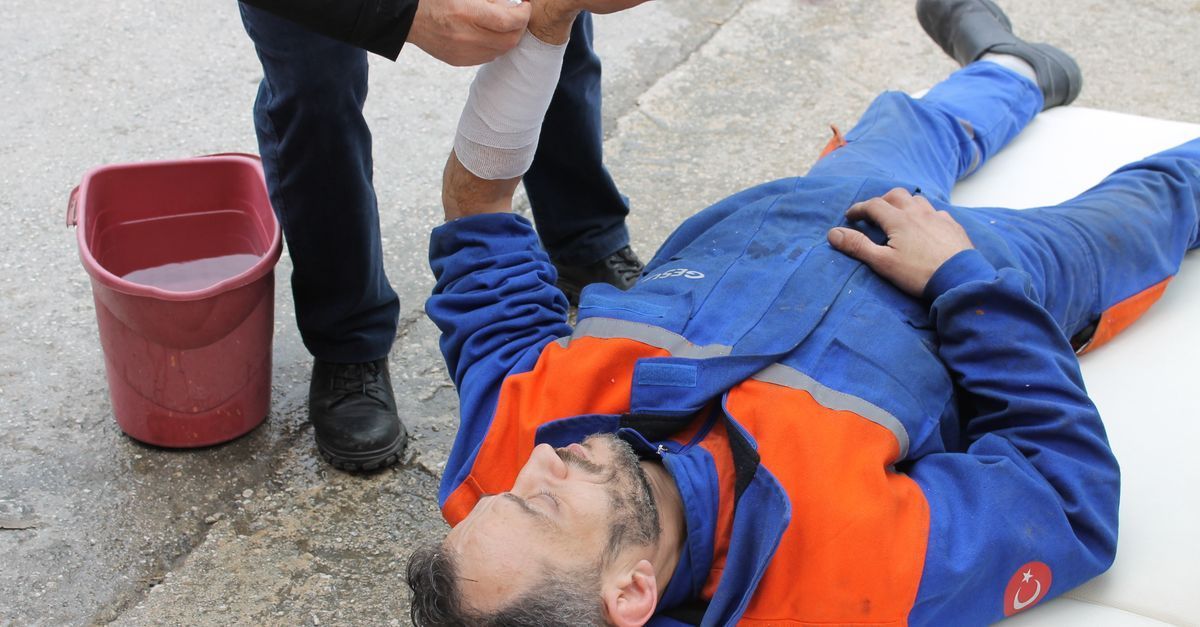
A well-trained first aider can help bring order to the first few minutes after an incident. They can assess immediate danger, reassure the casualty, control bleeding, support an injured limb, begin CPR where required and help coordinate emergency services.
In a busy logistics environment, that structured response can prevent confusion and ensure that other workers know what to do.
2. Large Sites Make Response Time More Important
Many warehouses and distribution centres cover a substantial floor area. Staff may work in receiving, picking, packing, dispatch, administration, cold storage or separate loading zones. In larger operations, simply knowing that the company has a trained first aider somewhere on site may not be enough.
If an incident occurs at the far end of a warehouse, the responder needs to be able to reach the casualty quickly. This is why employers should consider the physical layout of the premises when deciding how many staff to train.
Multi-building sites, mezzanine levels, restricted-access areas and secure yards can all complicate emergency response. The practical question should be: if something happens here, who is closest and how quickly can they respond?
Good planning may involve training employees across different zones or departments rather than concentrating all first aid responsibility in one area.
3. Shift Work Creates Additional Challenges
Warehouses and logistics companies often operate outside standard office hours. Early starts, late finishes, overnight shifts and weekend work are common. First aid cover therefore needs to exist whenever employees are working, not only during normal daytime hours.
A business may appear well covered because several employees hold current first aid certificates, but if all of those people work the same shift, other teams may be left without suitable support.
Shift rotas should be reviewed alongside training records. Employers should know who is trained, what hours they normally work and whether every operational period has realistic cover.
Holiday periods, sickness and overtime can also affect availability. Training additional employees gives the organisation more resilience and reduces dependence on one or two key individuals.
4. First Aid Responder Training Builds Practical Confidence
First Aid Responder training is designed to give nominated workplace staff practical skills for dealing with common emergencies. Training usually includes patient assessment, CPR, AED use, choking, bleeding, shock, injuries, burns and a range of medical conditions.
For warehouse employees, practical training can be particularly valuable because emergency situations may happen in noisy or physically challenging areas. Responders need to think clearly, assess hazards and avoid putting themselves or others at further risk.
Training also helps employees understand when an injury can be managed with basic first aid and when emergency medical assistance is required immediately. That judgement can be difficult without prior training.
Confidence matters. People who have practised first aid scenarios are more likely to respond in a structured way than someone trying to remember instructions they once read on a poster.
5. Forklift and Vehicle Areas Need Particular Attention
Forklifts, pallet trucks, delivery vehicles and yard traffic are a major feature of many logistics workplaces. Even with marked routes and good traffic management, incidents can occur when people and vehicles operate in close proximity.
Injuries involving moving equipment can be serious. A first aider may need to respond to fractures, crush injuries, bleeding or shock while also making sure the area is safe from further vehicle movement.
This is why scene safety is an important part of first aid response. Responders should never rush into a dangerous area without considering ongoing hazards.
Supervisors and staff should also know how to stop operations temporarily, secure the area and guide emergency services to the casualty without delay.
6. Manual Handling Injuries Are Common but Still Need Proper Response
Warehousing involves frequent lifting, carrying, pulling, pushing and moving of goods. Manual handling training and good work practices are essential, but strains and injuries can still occur.
A worker may injure their back, shoulder, wrist or knee while handling stock. Although these incidents may not appear as dramatic as a major fall or vehicle collision, they still need appropriate assessment and reporting.
First aiders can help make the casualty comfortable, prevent unnecessary movement and support escalation where symptoms suggest a more serious injury.
Accurate incident recording also helps the employer identify patterns and review whether changes to handling methods, equipment or training may be required.
7. AED Access and Cardiac Emergencies
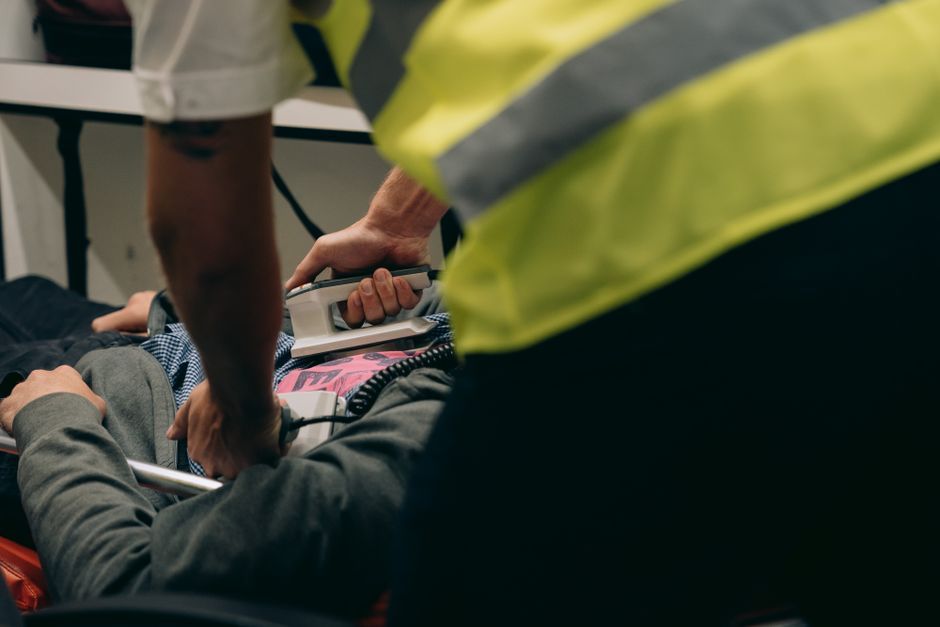
Sudden cardiac arrest can happen in any workplace, regardless of the industry. In a large warehouse, reaching an AED quickly is especially important because distance and site layout can cause delays.
If an AED is available, employees should know where it is located and how to access it. First Aid Responders should be familiar with CPR and AED use so they are prepared to act immediately if required.
The device should not be hidden in an office or placed somewhere difficult to access during a shift. Clear signage and regular staff awareness can make a significant difference.
Businesses should also assign responsibility for checking equipment and ensuring it remains ready for use.
8. Agency Workers and Contractors Must Be Considered
Warehousing and logistics companies often use agency workers, temporary staff, drivers and contractors. Workforce numbers can therefore change significantly during busy periods.
First aid planning should consider the total number of people who may be present, not only permanent employees. Seasonal peaks, major contracts or increased delivery volumes can temporarily increase the workforce and alter the level of cover required.
New starters and agency workers should be told how to raise the alarm, where first aid equipment is located and who the trained responders are. This information should form part of site induction.
Drivers and visitors may also be on the premises when an emergency occurs. Clear procedures help staff respond consistently regardless of who the casualty is.
9. Communication Is Critical in Noisy Workplaces
Warehouses can be noisy environments, with machinery, vehicles, alarms and loading operations making verbal communication difficult. An emergency response plan should take this into account.
Staff need a reliable way to contact a first aider quickly. Depending on the site, this might involve radios, internal phone systems, supervisors or designated emergency contacts.
Everyone should know the process. If employees are unsure whether to call reception, a supervisor or a first aider directly, valuable time can be lost.
Simple procedures, reinforced through induction and toolbox talks, can make the response much faster and more consistent.
10. First Aid Kits Should Match the Workplace
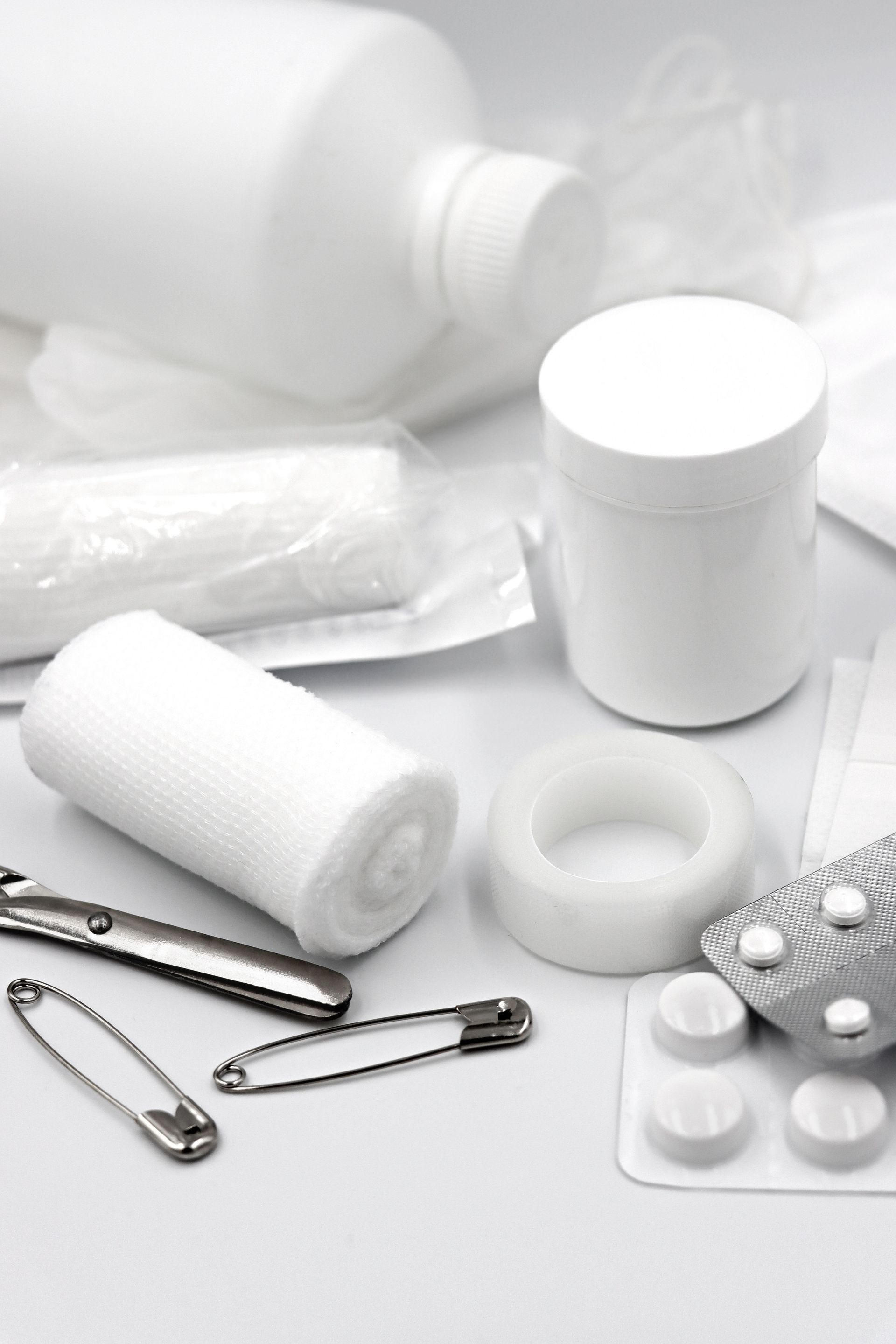
A first aid kit should be appropriate for the size and risks of the workplace. Large warehouses may require several kits positioned in different operational zones rather than one central box.
Kits should be clearly marked, easy to access and checked regularly. Used items should be replaced promptly, and stock should be monitored rather than assumed to be complete.
First aiders should know where equipment is located and which kit is closest to each work area. Staff who are not first aiders should also know the basic locations so they can retrieve supplies quickly if asked.
Equipment is only useful when it can be accessed without delay.
11. Refresher Training Helps Maintain Skills
First aid skills can fade if they are not used or practised. Warehouse businesses should maintain accurate records of training dates and arrange refresher training before qualifications expire.
Staff turnover is another reason to review cover regularly. A trained responder may leave the company, move to a different shift or transfer to another site.
Without regular review, a business can gradually lose the first aid capacity it originally put in place.
Planned refresher training helps keep skills current and gives responders another opportunity to practise scenarios relevant to their workplace.
12. On-Site Training Can Work Well for Logistics Teams
On-site first aid training can be a practical option for warehouse and logistics employers. It allows several employees to train together without travelling to separate public courses.
Training colleagues as a group also helps create a more coordinated response. Staff can discuss actual workplace layouts, access points, AED locations and likely emergency scenarios.
For shift-based organisations, courses can be planned around operations so the right people are trained without unnecessary disruption.
Most importantly, training reinforces the message that first aid is part of everyday workplace safety rather than something that only matters after an incident has already happened.
Conclusion
Warehouses and logistics businesses operate in environments where injuries and medical emergencies can occur quickly and sometimes in difficult locations. Trained first aiders provide an essential first response while professional medical help is on the way.
The right level of cover depends on the size of the site, employee numbers, shifts, operational zones, visitor levels and workplace risks. Employers should review these factors regularly and make sure trained staff are available whenever work is taking place.
Handle with Care provides professional First Aid Responder training for warehouses, logistics companies and employers throughout Dublin and across Ireland. If your business needs on-site first aid training, refresher training or help building reliable first aid cover across multiple shifts, contact Handle with Care to discuss a practical training solution for your team.