Why Manual Handling training is a must?

14 September 2023

On site Manual handling training benefits

Manual handling training is of great importance in both work and everyday life for several reasons:  1.    Injury Prevention: One of the primary reasons for manual handling training is to prevent injuries. Improper lifting and handling techniques can lead to various musculoskeletal injuries, particularly to the back. Training teaches individuals how to lift, carry, and move objects safely, reducing the risk of injuries like sprains, strains, and herniated discs. 2.    Health and Well-being: Proper manual handling techniques not only prevent injuries but also promote overall health and well-being. When individuals use correct lifting and handling methods, they reduce the stress on their bodies, which can help prevent chronic pain and discomfort. 3.    Increased Productivity: In a work setting, employees who are trained in manual handling are more efficient. They can perform tasks that involve lifting and carrying with greater ease and less effort. This increased efficiency can lead to higher productivity and fewer work-related injuries, resulting in cost savings for employers. 4.    Legal Compliance: Many countries have regulations and laws in place that require employers to provide manual handling training to their employees. Compliance with these regulations is essential to avoid legal consequences and penalties. 5.    Reduced Absenteeism: Work-related injuries can lead to absenteeism, which can disrupt operations and increase costs for employers. Manual handling training helps reduce the risk of injuries, resulting in fewer sick days and reduced absenteeism. 6.    Improved Ergonomics: Manual handling training often includes information on proper workstation setup and ergonomics. This knowledge can help individuals create a more comfortable and safe workspace, reducing the risk of injuries over time. 7.    Transferable Skills: The skills learned in manual handling training are not limited to the workplace. Individuals can apply these skills in their everyday lives when lifting and moving objects, whether at home or during recreational activities. This promotes safety and injury prevention outside of work. 8.    Awareness of Back Care: Manual handling training often includes education on back care. Participants learn about the importance of maintaining good posture, regular exercise, and proper body mechanics to protect their backs. This awareness extends to daily life and encourages individuals to take better care of their spinal health. 9.    Long-term Health Benefits: Proper manual handling techniques and back care practices can have long-term health benefits. By reducing the risk of injuries and chronic pain, individuals can enjoy a higher quality of life as they age.

In summary, manual handling training is crucial for preventing injuries, promoting health and well-being, complying with regulations, and improving efficiency both at work and in everyday life. It empowers individuals with the knowledge and skills needed to protect their bodies and reduce the risk of injuries, particularly to the back.

Industrial employees attending on-site First Aid Responder training
by Handle with Care • 5 October 2026
See how outsourcing 3-Day FAR training helps industrial employers manage training, certification, refresher courses and responder cover more effectively.
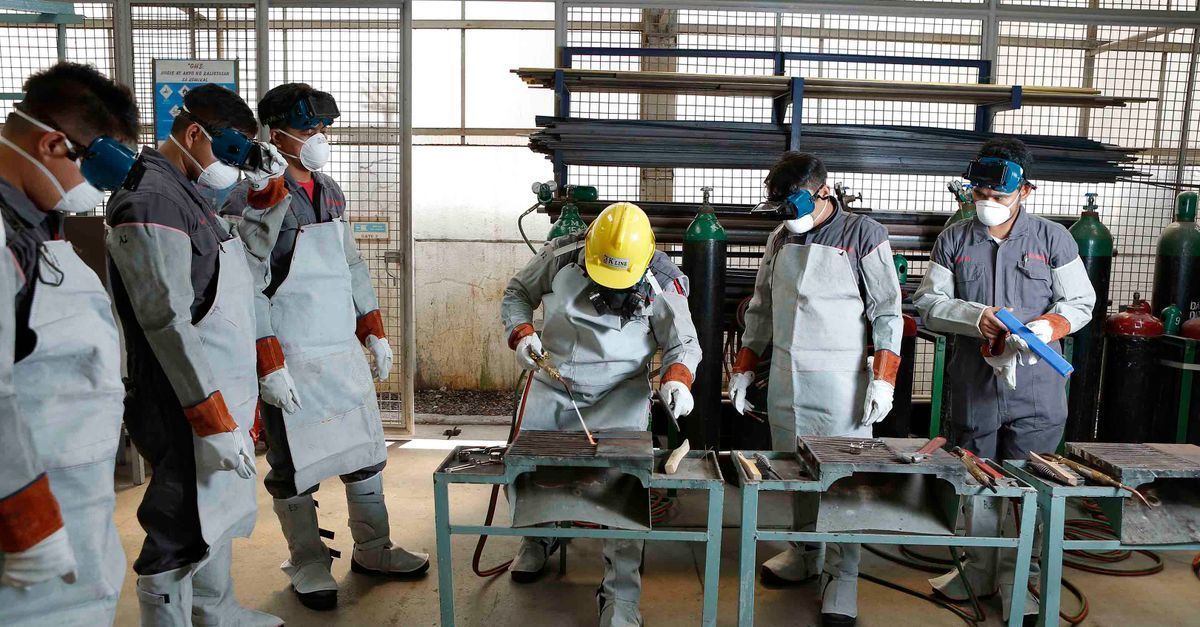
Employees taking part in first aid training in an industrial workplace
by Handle with Care • 5 October 2026
Learn why 3-Day FAR training is vital for Irish industrial workplaces with large workforces, higher risks, multiple shifts and complex emergency needs.

Employees attending on-site workplace first aid training together
by Handle with Care • 7 September 2026
Discover how on-site first aid training helps Irish multi-site businesses improve consistency, reduce disruption and maintain responder cover across locations.
Show More
Industrial employees attending on-site First Aid Responder training
by Handle with Care • 5 October 2026
See how outsourcing 3-Day FAR training helps industrial employers manage training, certification, refresher courses and responder cover more effectively.
Employees taking part in first aid training in an industrial workplace
by Handle with Care • 5 October 2026
Learn why 3-Day FAR training is vital for Irish industrial workplaces with large workforces, higher risks, multiple shifts and complex emergency needs.
Employees attending on-site workplace first aid training together
by Handle with Care • 7 September 2026
Discover how on-site first aid training helps Irish multi-site businesses improve consistency, reduce disruption and maintain responder cover across locations.
Workplace first aid risk assessment and emergency planning
by Handle with Care • 7 September 2026
Learn what Irish employers should consider in a workplace first aid risk assessment, from hazards and staffing to responder cover, equipment and access.

Show More