
What Should Be Included in a Workplace First Aid Risk Assessment?
What Should Be Included in a Workplace First Aid Risk Assessment?
A workplace first aid risk assessment helps an employer decide what arrangements are needed if an employee, contractor or visitor becomes injured or suddenly unwell. It is not simply a question of buying a first aid kit or nominating one member of staff. Effective provision depends on the size and nature of the workplace, the hazards present, working patterns, location and the people who may need assistance.
For Irish businesses, first aid should form part of wider workplace health and safety planning. Two organisations with the same number of employees can have very different requirements. A low-risk office in Dublin city centre is not directly comparable with a construction site, manufacturing facility, warehouse or isolated workplace, even if the headcount is identical.
A useful assessment therefore looks beyond numbers and considers how an emergency would actually unfold. Who would respond? How quickly could they reach the casualty? Is equipment accessible? What happens when trained employees are on leave? Answering practical questions such as these helps turn first aid from a paper exercise into a working emergency system.
1. Start With the Nature of the Work
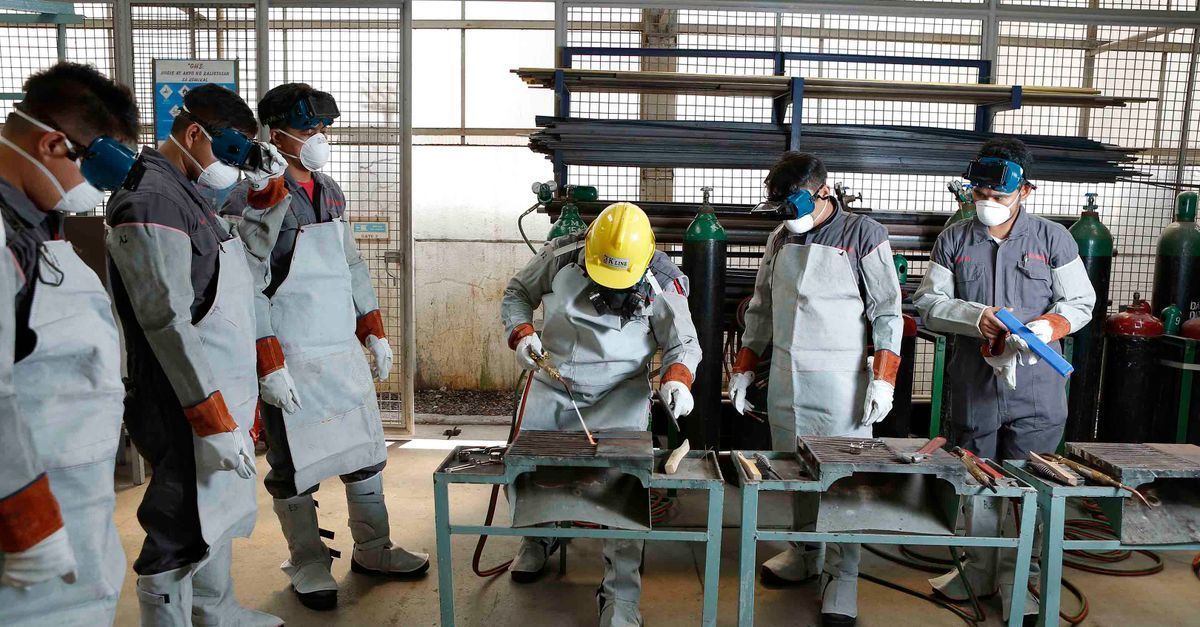
The first consideration is what employees actually do during a normal working day. Different activities create different injury profiles and levels of risk. Office employees may face relatively low levels of occupational injury, while construction, warehousing, manufacturing, maintenance and manual work can involve machinery, vehicles, tools, height or physical handling.
The assessment should identify the main hazards already recognised through the organisation's wider risk assessment process. First aid planning does not replace controls designed to prevent accidents. Instead, it considers the immediate response required if those controls fail or an unexpected medical emergency occurs.
Employers should also consider less obvious areas such as kitchens, workshops, plant rooms, loading areas and external yards. A business described broadly as an office may still employ facilities teams or maintenance contractors whose work presents different risks.
2. Consider Workforce Size
The number of people present influences first aid provision, but headcount should not be used in isolation. Employers should consider typical occupancy rather than relying only on the total number of people on payroll.
Hybrid working can significantly change office attendance from one day to another. A warehouse may have large daytime staffing levels but a much smaller night team. Retail, hospitality and event environments may also experience major fluctuations throughout the week.
The assessment should identify when the workplace is busiest and when first aid cover may be weakest. This allows the employer to plan trained responder numbers around real working patterns.
3. Review Shift Patterns and Working Hours
First aid cover needs to exist when people are at work. If a business operates evenings, nights or weekends, arrangements should be assessed for those periods as carefully as standard daytime hours.
A common weakness is having several trained responders who all work approximately the same schedule. The organisation appears well covered on a staff list but may have no trained responder present during another shift.
Rotas, annual leave, sickness and remote working should therefore be considered. Training additional employees across different teams can create contingency and reduce reliance on a single person.
4. Examine the Workplace Layout
Physical distance affects emergency response. A trained responder located on the ground floor may not provide rapid cover for employees several floors away. Large warehouses, campuses, factories and multi-building sites can present an even greater challenge.
The assessment should consider how long it would realistically take a responder to reach different work areas. Locked doors, security controls, lifts and restricted zones may all affect movement.
This can influence both responder distribution and equipment placement. Several accessible first aid points may be more appropriate than one central kit in a large or dispersed workplace.
5. Consider the Location of the Workplace
Access to professional emergency medical assistance is an important part of the assessment. A city-centre workplace close to emergency services may have different circumstances from a remote site, rural workplace or team working away from a fixed base.
Employers should consider how emergency services would find and access the premises. Industrial estates, construction sites and large campuses may have several entrances, gates or buildings. Clear directions and a plan for meeting an ambulance can reduce confusion.
Lone and mobile workers require particular thought because they may not have immediate access to the same responders and equipment as employees at the main premises.
6. Review Previous Incidents and Near Misses
Past incidents can provide useful evidence about the first aid needs of a workplace. Records may show recurring cuts, strains, falls or other injuries associated with particular activities.
The purpose is not simply to count accidents. Employers should consider whether existing first aid arrangements worked effectively. Was a trained responder available? Could equipment be found quickly? Were emergency services able to access the casualty without delay?
Near misses can also reveal potential scenarios that have not yet resulted in injury. Incorporating these lessons into the assessment helps the organisation improve before a more serious event occurs.
7. Identify People Who May Be at Greater Risk
Workplace populations are not always uniform. Employers may need to consider new or inexperienced employees, young workers, pregnant employees or people whose work places them in higher-risk environments.
Contractors, temporary staff and agency workers should not be overlooked. They may be unfamiliar with the premises and may not know where first aid equipment is located or how to call for assistance.
The assessment should also consider visitors and members of the public where relevant. Customer-facing businesses, schools, care settings and hospitality venues may have significant numbers of non-employees on site.
8. Decide How Much Trained Responder Cover Is Needed
Once workplace circumstances have been considered, the employer can make a more informed decision about trained First Aid Responder cover. The objective is to have appropriate assistance available when and where it may be required.
Availability is as important as the number trained. Someone who works remotely several days each week cannot provide consistent on-site cover during those periods. Similarly, one responder may be insufficient if the site is physically large or operates multiple shifts.
Contingency should be built into the plan for holidays, illness, meetings and staff turnover. Reviewing responder coverage against rotas can reveal gaps that are not obvious from a simple list of names.
9. Assess First Aid Kit Requirements
First aid equipment should reflect the workplace and be accessible. The assessment should consider how many first aid points are appropriate and where they should be positioned.
Kits should not be hidden in locked cupboards that only one person can access. Employees should know where the nearest supplies are located, and signage can help make first aid points easy to identify.
Someone should be responsible for routine checks. Supplies are used and need replacement, while packaging can become damaged over time. A simple inspection schedule helps keep equipment ready for use.
10. Consider AED Provision and Access
Where an AED is provided, it should be incorporated into the emergency plan. The assessment can consider where it is located, how quickly it can be retrieved and whether employees know of its existence.
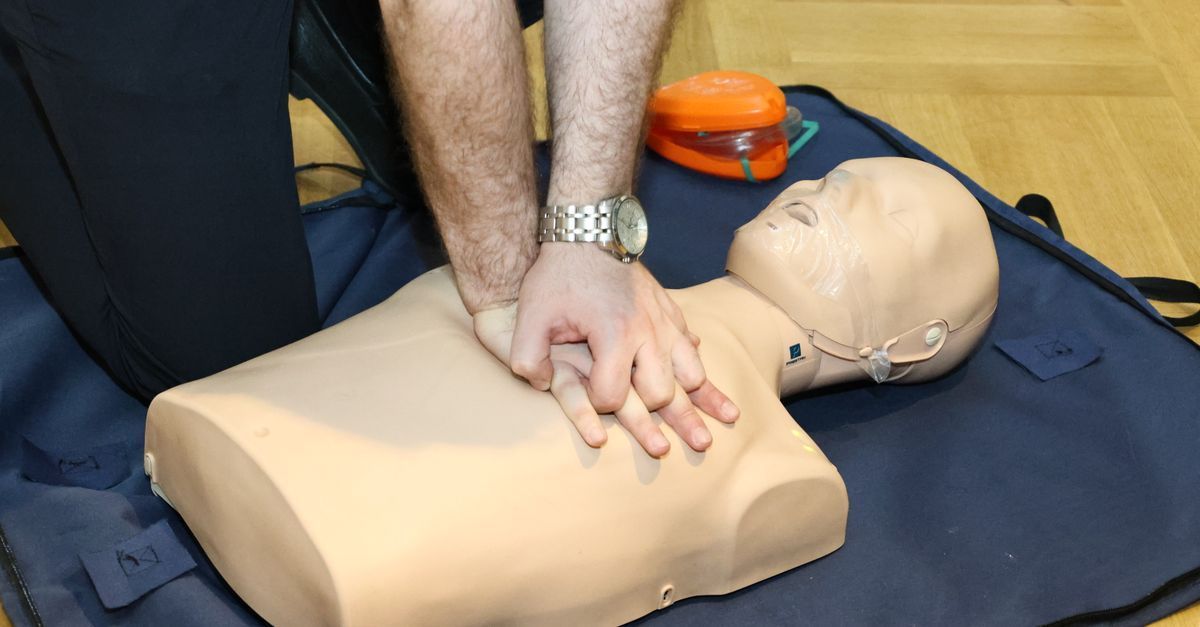
Training First Aid Responders in CPR and AED use helps build practical confidence for cardiac emergencies. The device should also remain accessible during all relevant operating hours.
Routine maintenance responsibilities should be clear. Following the manufacturer's instructions for batteries, pads and device checks helps keep the AED ready when needed.
11. Plan Communication and Emergency Procedures
First aid arrangements are only useful if employees know how to activate them. The assessment should consider how a worker summons a responder, who calls emergency services and who manages access to the premises.
In a small office, this may be straightforward. In a large factory or campus, internal telephone numbers, radios, security teams or designated meeting points may form part of the procedure.
New employees should receive relevant information during induction. Existing staff should be updated when responders, equipment locations or procedures change.
12. Include Training Records and Renewal Planning
The assessment should be supported by accurate training records. Managers need to know which employees are trained, where they normally work and when their qualifications need renewal.
A central register makes this easier to manage. It can also highlight when several responders are due for refresher training around the same time, allowing courses to be arranged before a gap develops.
For organisations with several sites, central oversight can help ensure standards are applied consistently while still allowing each location to assess its own specific needs.
13. Review the Assessment After Workplace Changes
A first aid assessment should not remain unchanged indefinitely. Businesses grow, teams move, new machinery is introduced and working patterns evolve. Any significant change can affect first aid requirements.
Moving premises is an obvious trigger for review, but smaller changes matter too. A new night shift, an additional warehouse area or a substantial increase in hybrid working can alter where and when responders are needed.
Periodic review helps keep arrangements relevant. It is far better to identify a gap during planning than during an actual emergency.
14. Use On-Site Training to Support the Assessment
Once training needs have been identified, on-site group training can be particularly practical for employers. Bringing training to the workplace allows several nominated employees to learn together without travelling individually to public courses.
Training at the organisation's premises can also encourage useful discussion about workplace-specific arrangements. Participants can relate emergency scenarios to their actual environment and consider where equipment and access points are located.
For employers coordinating first aid across teams or departments, this can support a more consistent approach and make training easier to organise around operational requirements.
Conclusion
A workplace first aid risk assessment should consider much more than employee numbers. The nature of the work, hazards, shift patterns, workplace layout, emergency access, previous incidents, visitors, trained responder availability and equipment all contribute to effective planning.
The strongest assessments focus on practical readiness. Employers should ask whether trained help would genuinely be available during an emergency and whether the necessary equipment and procedures would work without avoidable delay.
Handle with Care provides on-site workplace first aid training for businesses throughout Dublin and across Ireland. If your assessment identifies a need for additional First Aid Responders or refresher training, contact Handle with Care to discuss a group course delivered at your workplace.