
Why Choking First Aid Training Matters in an Irish Workplace
Choking first aid training teaches staff to recognise a blocked airway within seconds, deliver back blows and abdominal thrusts correctly, call 112 or 999, and start CPR if the person becomes unresponsive. For employers across Ireland, it turns a frightening emergency into one your team can act on calmly.
This article explains why choking is a real workplace risk, what trained employees actually do, how it fits into the courses we deliver, and how to decide who on your team should be trained.
Where Choking Happens at Work
Most people picture choking at a restaurant table, but it can happen in any workplace. Staff eat lunch at desks, in canteens, in vehicles and on site. Colleagues laugh with food in their mouths, rush a sandwich between meetings, or eat while walking. Customers, visitors and contractors on your premises are also at risk, which matters for shops, offices, schools, care settings and warehouses in Dublin and across Ireland.
A complete blockage is an emergency measured in minutes. The person cannot speak, cough or breathe, and the colleagues around them are often the only help available before an ambulance arrives. Without training, people tend to freeze, slap the person's back at the wrong angle, or try to pull food out with their fingers and push it further down.
What Trained Employees Do When Someone Is Choking
The response is simple and repeatable, which is why it suits regular practice with a trainer. The steps below reflect widely taught adult first aid guidance, and your instructor will show you how to carry them out safely on the day.
- Ask the person if they are choking and whether they can speak. If they can cough, encourage them to keep coughing and stay with them.
- If the cough is weak or silent and they cannot breathe, lean them forward and give up to five sharp back blows between the shoulder blades with the heel of your hand.
- If the blockage remains, give up to five abdominal thrusts by standing behind them, making a fist above the navel and pulling sharply inwards and upwards.
- Keep alternating five back blows and five abdominal thrusts, and have someone call 112 or 999 as soon as it is clear the person is in trouble.
- If the person becomes unresponsive, lower them to the floor, call for emergency help if not already done, and begin CPR. If an AED is on site, send someone to fetch it.
Anyone who has been given abdominal thrusts should be checked by a doctor afterwards, even if they feel fine, because the manoeuvre can cause internal injury. Your trainer will also cover choking in children and babies where it is relevant to your workplace, since the technique differs.
Common Mistakes That Training Prevents
Practical, hands-on training corrects the habits that make a choking emergency worse. The most frequent problems we see across workplaces are the same ones that crop up in most basic first aid errors, and our article on common workplace first aid mistakes covers the wider picture.
- Patting or slapping a person who is coughing effectively, which can move the object into a worse position.
- Reaching into the mouth blindly instead of removing an obvious, visible object only.
- Delaying the call for help because everyone assumes someone else has already phoned.
- Giving a drink of water to a person who has just been choking, which can cause further problems.
- Stopping after the object comes out and not recommending a medical check.
Why Repetition Matters
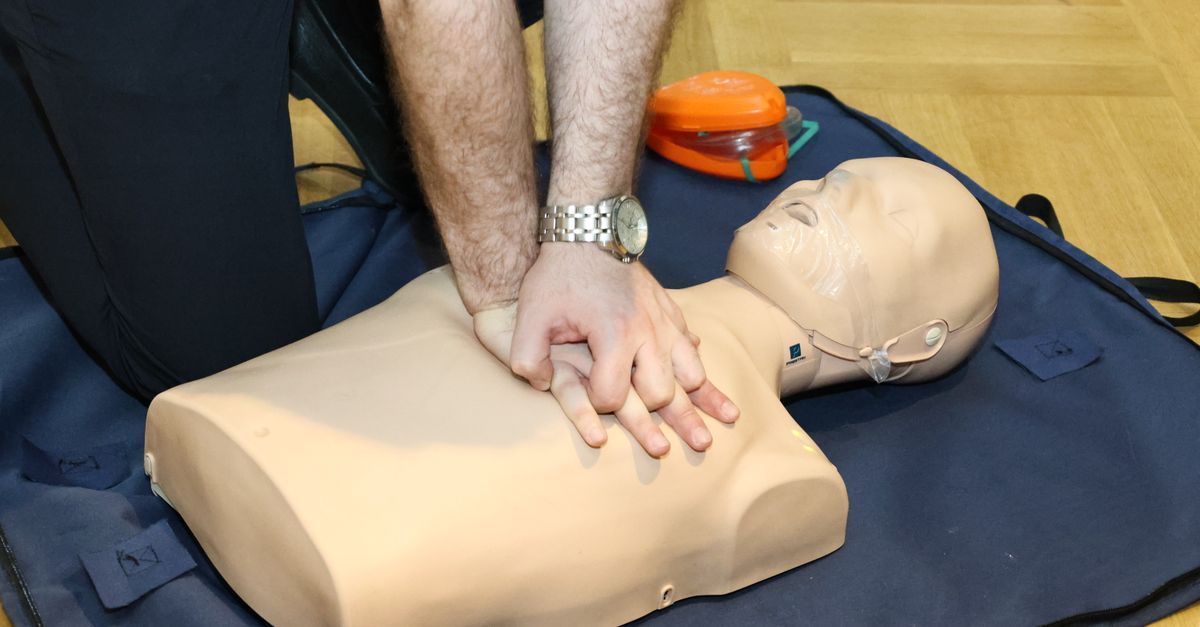
Knowing the steps from a poster is not the same as being able to perform them. Practising on a manikin, speaking the steps aloud and rehearsing who calls emergency services builds the confidence that people need when a colleague is in real distress. That is why on-site practical sessions work better than reading a leaflet.
After the Incident
Once the emergency is over, the person should be looked after and checked by a medical professional, and colleagues who helped may also feel shaken. Record what happened in line with your own accident reporting procedure, review whether the response worked as planned, and use the experience to tidy up any gaps, such as unclear emergency numbers, missing first aid information on noticeboards or too few trained people on a particular shift.
How Choking Response Fits Into Our Courses
Choking response is taught as part of the wider first aid courses we deliver at your premises, rather than as a stand-alone topic. Our First Aid Response FAR course is the recognised occupational first aid standard for many Irish employers and covers the emergencies a workplace is most likely to face. If you need a shorter option, our basic first aid training can be tailored to your business.
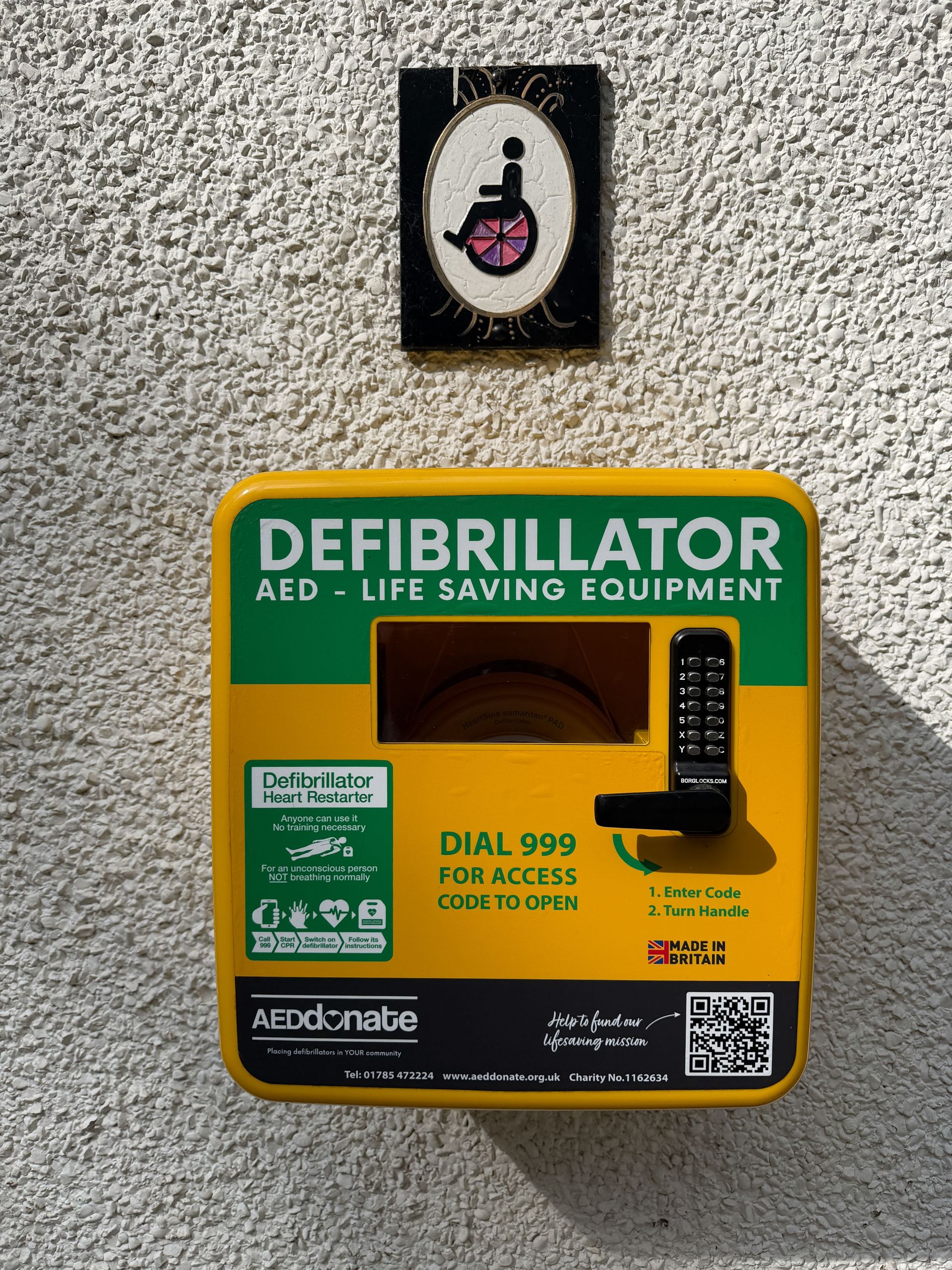
CPR is the natural partner to choking response, because an unresponsive casualty needs chest compressions straight away. Our CPR and AED course teaches those skills for lay rescuers. If you already own a defibrillator, our guide to placing and maintaining your workplace AED explains how to keep it ready and why trained responders still matter.
Who in Your Team Should Be Trained
The aim is to have trained people available in every area and on every shift, not just one named first aider in the main office. Think about where people eat and work, and who is present at different times of day.
- Staff in canteens, kitchens, break rooms and customer-facing areas where food is regularly eaten.
- Supervisors and managers who are likely to be first on the scene and to direct others.
- Reception and security staff who deal with visitors and are often at a fixed, accessible point.
- Shift workers and night staff, who may have far fewer colleagues around to help.
A workplace first aid risk assessment is the sensible starting point for deciding numbers and cover. Our article on first aid training for offices and corporate workplaces shows how Irish offices can approach that planning, and the same logic applies to retail, warehousing and industrial sites.
Choking First Aid Training Delivered at Your Premises
We deliver courses on site for groups, so your employees train in their own workplace, with their own layout, break areas and emergency arrangements in mind. That saves travel time, keeps teams together and lets the instructor point to the real places where an incident could happen. We work with businesses in Lucan, across Dublin and throughout Ireland, and we can usually discuss weekend or out-of-hours sessions to suit your rota.
Training also needs to be refreshed. Skills fade when they are not used, and staff change roles and leave. Build a simple record of who is trained, when their certificates expire and who covers each shift, and review it at least once a year.
Next Steps for Employers
Choking first aid training is a small investment compared with the cost of an emergency where nobody knows what to do. A trained workforce gives employees the confidence to act in the first minutes, which is when it matters most, and it supports the wider duty Irish employers have to plan for workplace emergencies.
If you would like to arrange choking first aid training for your staff, contact Handle with Care on 086 202 4504 or email info@handlewithcare.ie and we will talk you through the right course for your team.

Why Choking First Aid Training Matters in an Irish Workplace
Choking first aid training teaches staff to recognise a blocked airway within seconds, deliver back blows and abdominal thrusts correctly, call 112 or 999, and start CPR if the person becomes unresponsive. For employers across Ireland, it turns a frightening emergency into one your team can act on calmly.
This article explains why choking is a real workplace risk, what trained employees actually do, how it fits into the courses we deliver, and how to decide who on your team should be trained.
Where Choking Happens at Work
Most people picture choking at a restaurant table, but it can happen in any workplace. Staff eat lunch at desks, in canteens, in vehicles and on site. Colleagues laugh with food in their mouths, rush a sandwich between meetings, or eat while walking. Customers, visitors and contractors on your premises are also at risk, which matters for shops, offices, schools, care settings and warehouses in Dublin and across Ireland.
A complete blockage is an emergency measured in minutes. The person cannot speak, cough or breathe, and the colleagues around them are often the only help available before an ambulance arrives. Without training, people tend to freeze, slap the person's back at the wrong angle, or try to pull food out with their fingers and push it further down.
What Trained Employees Do When Someone Is Choking
The response is simple and repeatable, which is why it suits regular practice with a trainer. The steps below reflect widely taught adult first aid guidance, and your instructor will show you how to carry them out safely on the day.
- Ask the person if they are choking and whether they can speak. If they can cough, encourage them to keep coughing and stay with them.
- If the cough is weak or silent and they cannot breathe, lean them forward and give up to five sharp back blows between the shoulder blades with the heel of your hand.
- If the blockage remains, give up to five abdominal thrusts by standing behind them, making a fist above the navel and pulling sharply inwards and upwards.
- Keep alternating five back blows and five abdominal thrusts, and have someone call 112 or 999 as soon as it is clear the person is in trouble.
- If the person becomes unresponsive, lower them to the floor, call for emergency help if not already done, and begin CPR. If an AED is on site, send someone to fetch it.
Anyone who has been given abdominal thrusts should be checked by a doctor afterwards, even if they feel fine, because the manoeuvre can cause internal injury. Your trainer will also cover choking in children and babies where it is relevant to your workplace, since the technique differs.
Common Mistakes That Training Prevents
Practical, hands-on training corrects the habits that make a choking emergency worse. The most frequent problems we see across workplaces are the same ones that crop up in most basic first aid errors, and our article on common workplace first aid mistakes covers the wider picture.
- Patting or slapping a person who is coughing effectively, which can move the object into a worse position.
- Reaching into the mouth blindly instead of removing an obvious, visible object only.
- Delaying the call for help because everyone assumes someone else has already phoned.
- Giving a drink of water to a person who has just been choking, which can cause further problems.
- Stopping after the object comes out and not recommending a medical check.
Why Repetition Matters
Knowing the steps from a poster is not the same as being able to perform them. Practising on a manikin, speaking the steps aloud and rehearsing who calls emergency services builds the confidence that people need when a colleague is in real distress. That is why on-site practical sessions work better than reading a leaflet.
After the Incident
Once the emergency is over, the person should be looked after and checked by a medical professional, and colleagues who helped may also feel shaken. Record what happened in line with your own accident reporting procedure, review whether the response worked as planned, and use the experience to tidy up any gaps, such as unclear emergency numbers, missing first aid information on noticeboards or too few trained people on a particular shift.
How Choking Response Fits Into Our Courses
Choking response is taught as part of the wider first aid courses we deliver at your premises, rather than as a stand-alone topic. Our First Aid Response FAR course is the recognised occupational first aid standard for many Irish employers and covers the emergencies a workplace is most likely to face. If you need a shorter option, our basic first aid training can be tailored to your business.
CPR is the natural partner to choking response, because an unresponsive casualty needs chest compressions straight away. Our CPR and AED course teaches those skills for lay rescuers. If you already own a defibrillator, our guide to placing and maintaining your workplace AED explains how to keep it ready and why trained responders still matter.
Who in Your Team Should Be Trained
The aim is to have trained people available in every area and on every shift, not just one named first aider in the main office. Think about where people eat and work, and who is present at different times of day.
- Staff in canteens, kitchens, break rooms and customer-facing areas where food is regularly eaten.
- Supervisors and managers who are likely to be first on the scene and to direct others.
- Reception and security staff who deal with visitors and are often at a fixed, accessible point.
- Shift workers and night staff, who may have far fewer colleagues around to help.
A workplace first aid risk assessment is the sensible starting point for deciding numbers and cover. Our article on first aid training for offices and corporate workplaces shows how Irish offices can approach that planning, and the same logic applies to retail, warehousing and industrial sites.
Choking First Aid Training Delivered at Your Premises
We deliver courses on site for groups, so your employees train in their own workplace, with their own layout, break areas and emergency arrangements in mind. That saves travel time, keeps teams together and lets the instructor point to the real places where an incident could happen. We work with businesses in Lucan, across Dublin and throughout Ireland, and we can usually discuss weekend or out-of-hours sessions to suit your rota.
Training also needs to be refreshed. Skills fade when they are not used, and staff change roles and leave. Build a simple record of who is trained, when their certificates expire and who covers each shift, and review it at least once a year.
Next Steps for Employers
Choking first aid training is a small investment compared with the cost of an emergency where nobody knows what to do. A trained workforce gives employees the confidence to act in the first minutes, which is when it matters most, and it supports the wider duty Irish employers have to plan for workplace emergencies.
If you would like to arrange choking first aid training for your staff, contact Handle with Care on 086 202 4504 or email info@handlewithcare.ie and we will talk you through the right course for your team.