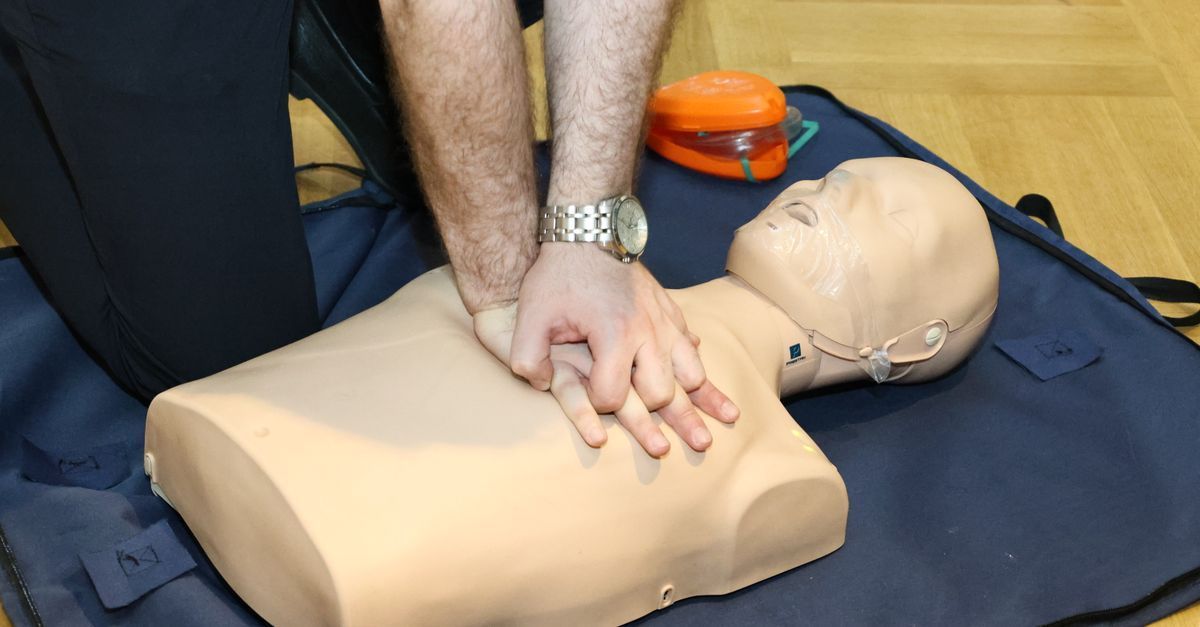
Common First Aid Mistakes Made in the Workplace

28 August 2026

Common First Aid Mistakes Made in the Workplace

Most Irish employers understand that workplace first aid matters, yet problems often arise not because a business has ignored first aid completely, but because its arrangements have gradually become outdated. A trained employee leaves, a certificate expires, a first aid kit is moved during an office refurbishment or a new shift is introduced without checking who can provide emergency assistance.

These may appear to be small administrative issues, but during a real emergency they can become serious weaknesses. Effective workplace first aid depends on trained people, suitable equipment and clear procedures being available at the right time.

By recognising common mistakes before an incident occurs, employers can strengthen workplace preparedness and support their wider health and safety responsibilities.

1. Assuming a First Aid Kit Is Enough

One of the most common misconceptions is that providing a stocked first aid box completes an employer's first aid responsibilities. Equipment is important, but it cannot assess a casualty, perform CPR or decide when emergency services are required.

First aid provision should be based on the needs of the workplace. Employers should consider workforce size, hazards, premises layout, shifts, visitors and the availability of appropriately trained people.

A first aid kit should support trained responders rather than replace them. Businesses should therefore review both their equipment and the people who may need to use it.

2. Training Too Few Employees

A business may nominate one employee for First Aid Responder training and assume the matter is resolved. The weakness becomes obvious when that employee is on annual leave, working remotely, attending a meeting or absent through illness.

Reliable first aid provision needs contingency. Depending on the workplace, this may mean training additional employees across different teams, departments or shifts.

Employers should ask a practical question: if an emergency happened right now, is a trained responder actually present? The answer matters more than the number of certificates held in a filing system.

3. Forgetting About Training Renewal

First aid skills and certification need to remain current. Businesses sometimes organise training enthusiastically and then fail to monitor renewal dates.

A simple training register can prevent this. Record each responder, the course completed, training date and renewal date, and assign responsibility for checking the register periodically.

Planning refresher training early is preferable to discovering that several responders need renewal at the same time. It also reduces the risk of gaps in workplace cover.

4. Ignoring Shift Patterns and Hybrid Working

Employee headcount alone does not show whether first aid cover is adequate. A company may have several trained responders, but if all of them work the same hours, employees on another shift may have little or no cover.

Hybrid working creates a similar challenge in offices. The trained responder who was previously present five days a week may now work from home several days.

Employers should assess when trained staff are physically available. Busy days, evenings, weekends and holiday periods all deserve consideration.

5. Keeping First Aid Equipment Somewhere Inconvenient

First aid supplies should be easy to reach. A kit stored in a locked manager's office may be inaccessible when that manager is absent. Similarly, one first aid point may be insufficient for a large warehouse, multi-floor office or dispersed site.

Locations should reflect the workplace layout. Employees should know where the nearest first aid supplies are and new staff should receive this information during induction.

Clear signage and sensible placement can save valuable time when an incident occurs.

6. Failing to Check First Aid Kits

First aid kits are often installed and then forgotten. Over time, items are used, packaging is damaged and supplies may require replacement.

Regular checks should be assigned to a named person or role. The frequency can reflect the workplace and how often supplies are used.

A simple inspection routine helps ensure that when a responder opens the kit during an emergency, the equipment expected is actually available.

7. Not Telling Employees Who the First Aiders Are

Training employees is of limited value if colleagues do not know how to find them. Staff should know who the trained First Aid Responders are and how to contact them quickly.

Information can be shared during induction, on noticeboards, through internal systems or during safety briefings. What matters is that it remains current.

Lists should be updated when employees leave, move departments or change locations. Outdated emergency information creates unnecessary confusion.

8. Overlooking Contractors and Visitors

First aid planning should consider everyone who may reasonably be present, not only permanent employees. Contractors, agency staff, clients and members of the public can also become injured or unwell.

Businesses with significant visitor numbers should consider this when assessing first aid needs. Reception and front-of-house staff should know how to summon assistance.

Temporary workers should also receive enough information to understand the emergency procedure and the location of first aid facilities.

9. Treating an AED as a Stand-Alone Solution

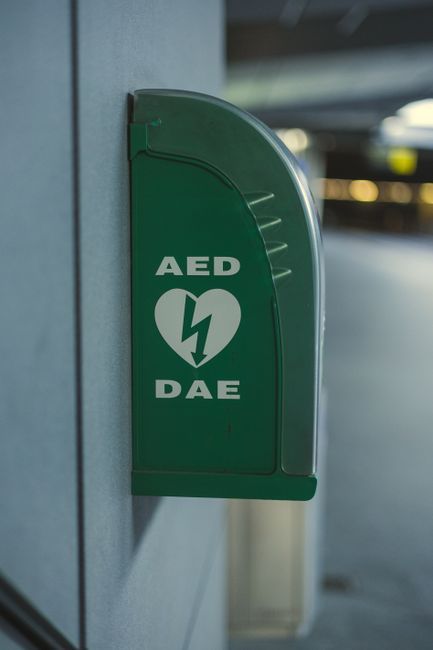
An AED can be an important part of cardiac emergency preparedness, but installing a device is only one step. Staff need to know where it is, how to access it and how it fits into the emergency response.

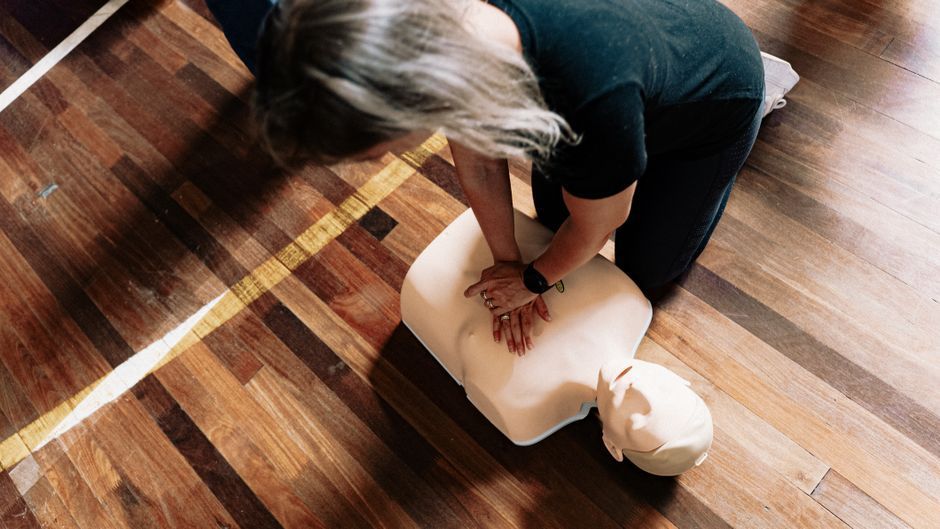
First Aid Responder training gives employees practical experience of CPR and AED use. Familiarity can reduce hesitation when every minute matters.

Employers should also establish responsibility for routine AED checks and follow the manufacturer's maintenance requirements.

10. Having No Clear Emergency Procedure

A trained responder still needs support from the wider organisation. Someone may need to call emergency services, direct an ambulance to the correct entrance, open security gates or manage the surrounding area.

These roles should be considered before an emergency. Large workplaces and multi-tenant buildings particularly benefit from clear procedures.

Ask how paramedics would reach the furthest part of the premises and who would meet them. Identifying access problems in advance can prevent avoidable delays.

11. Failing to Review First Aid After Workplace Changes

First aid arrangements should evolve with the business. Moving premises, expanding the workforce, introducing machinery, opening another floor or changing shift patterns can all alter first aid needs.

A system that was appropriate for 15 employees may no longer suit a business employing 60 people across several areas.

Employers should make first aid part of broader health and safety reviews so that provision keeps pace with operational changes.

12. Treating Training as a Compliance Exercise Only

Certificates are important, but the real purpose of first aid training is practical readiness. Employees should leave training more confident about assessing an incident and providing immediate assistance until professional help arrives.

Practical exercises in CPR, AED use and casualty assessment help participants understand what an emergency response actually involves.

Businesses gain the greatest value when training is supported by sensible equipment, communication and emergency procedures.

Conclusion

Many workplace first aid mistakes are straightforward to correct once they are recognised. Employers can strengthen preparedness by maintaining sufficient trained responder cover, monitoring renewals, checking equipment and ensuring employees understand how to obtain help.

Regular reviews are particularly important because workplaces change. Staff leave, working patterns evolve and business premises expand. First aid provision should change with them.

Handle with Care provides professional First Aid Responder and workplace safety training for organisations throughout Dublin and across Ireland. If your business needs to train additional responders, renew existing qualifications or arrange an on-site first aid course, contact Handle with Care to discuss a practical training solution for your team.

Business manager reviewing workplace health and safety arrangements
by Handle with Care 28 August 2026
Understand first aid responsibilities for Irish business owners and managers, including workplace assessment, responder cover, training records and equipment.
Irish employees attending a workplace health and safety briefing
by Handle with Care 28 August 2026
See how first aid training supports health and safety compliance for Irish employers through stronger emergency planning, trained staff and safer workplaces.
Workplace safety manager reviewing first aid arrangements
by Handle with Care 18 August 2026
Prepare for a workplace first aid inspection in Ireland. Learn what may be reviewed, from trained responders and first aid kits to records and procedures.
Show More
Business manager reviewing workplace health and safety arrangements
by Handle with Care 28 August 2026
Understand first aid responsibilities for Irish business owners and managers, including workplace assessment, responder cover, training records and equipment.
Irish employees attending a workplace health and safety briefing
by Handle with Care 28 August 2026
See how first aid training supports health and safety compliance for Irish employers through stronger emergency planning, trained staff and safer workplaces.
Workplace safety manager reviewing first aid arrangements
by Handle with Care 18 August 2026
Prepare for a workplace first aid inspection in Ireland. Learn what may be reviewed, from trained responders and first aid kits to records and procedures.
Warehouse workers providing first aid to an injured colleague
by Handle with Care 18 August 2026
Learn why Irish warehouses and logistics businesses need trained first aiders, how to assess cover and prepare teams for workplace emergencies.
Show More