How First Aid Training Supports Health and Safety Compliance

28 August 2026

How First Aid Training Supports Health and Safety Compliance

Workplace health and safety compliance is not achieved through a single course, document or piece of equipment. It is built from a combination of risk assessment, sensible procedures, competent employees and ongoing management. First aid training forms an important part of that wider system because it prepares people to respond when prevention measures are not enough and someone becomes injured or suddenly unwell.

For Irish employers, effective first aid provision should reflect the workplace itself. An office, warehouse, construction company, healthcare facility and hospitality venue will have different risks and working patterns. Training suitable employees as First Aid Responders helps organisations translate their safety planning into practical emergency capability.

First aid training therefore does more than provide certificates. It can strengthen awareness, improve emergency procedures and give employers greater confidence that their arrangements will work when needed.

1. First Aid Complements Workplace Risk Assessment

Risk assessment aims to identify hazards and reduce the likelihood of harm. However, even well-managed workplaces cannot eliminate every possibility of injury or sudden illness.

First aid provision addresses what happens after an incident occurs. Employers should consider the nature of the work, workforce numbers, site layout, shifts and access to emergency medical services when deciding what arrangements are appropriate.

Training responders is one practical control within this wider system. The number and distribution of trained employees should follow from the workplace assessment rather than an arbitrary target.

2. Training Creates Practical Emergency Capability

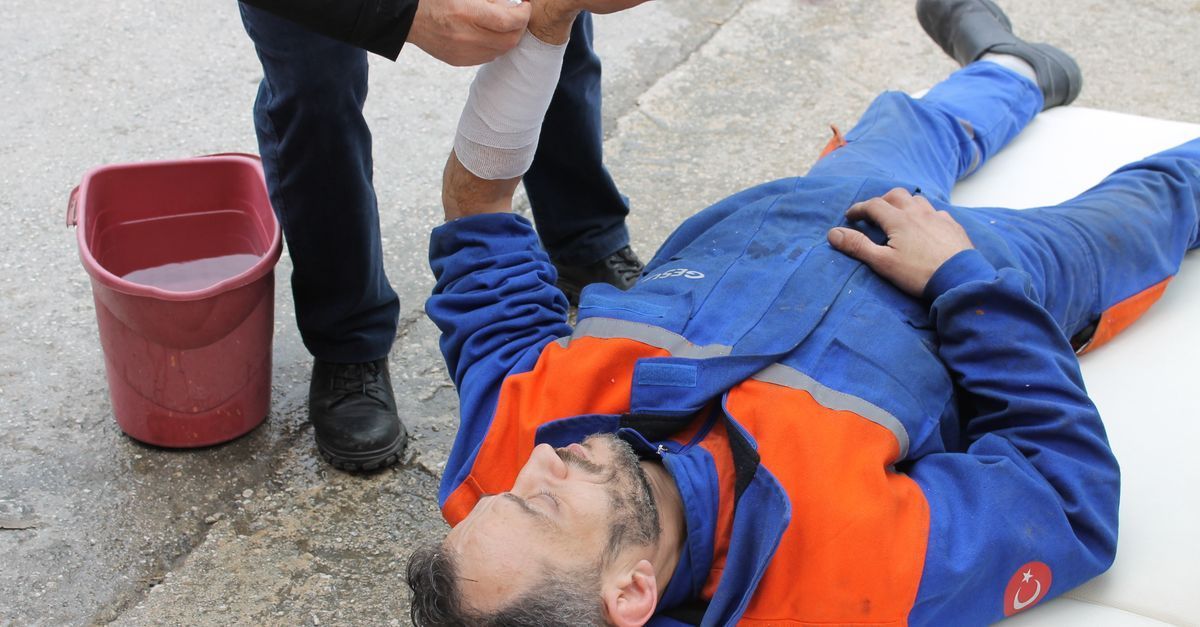
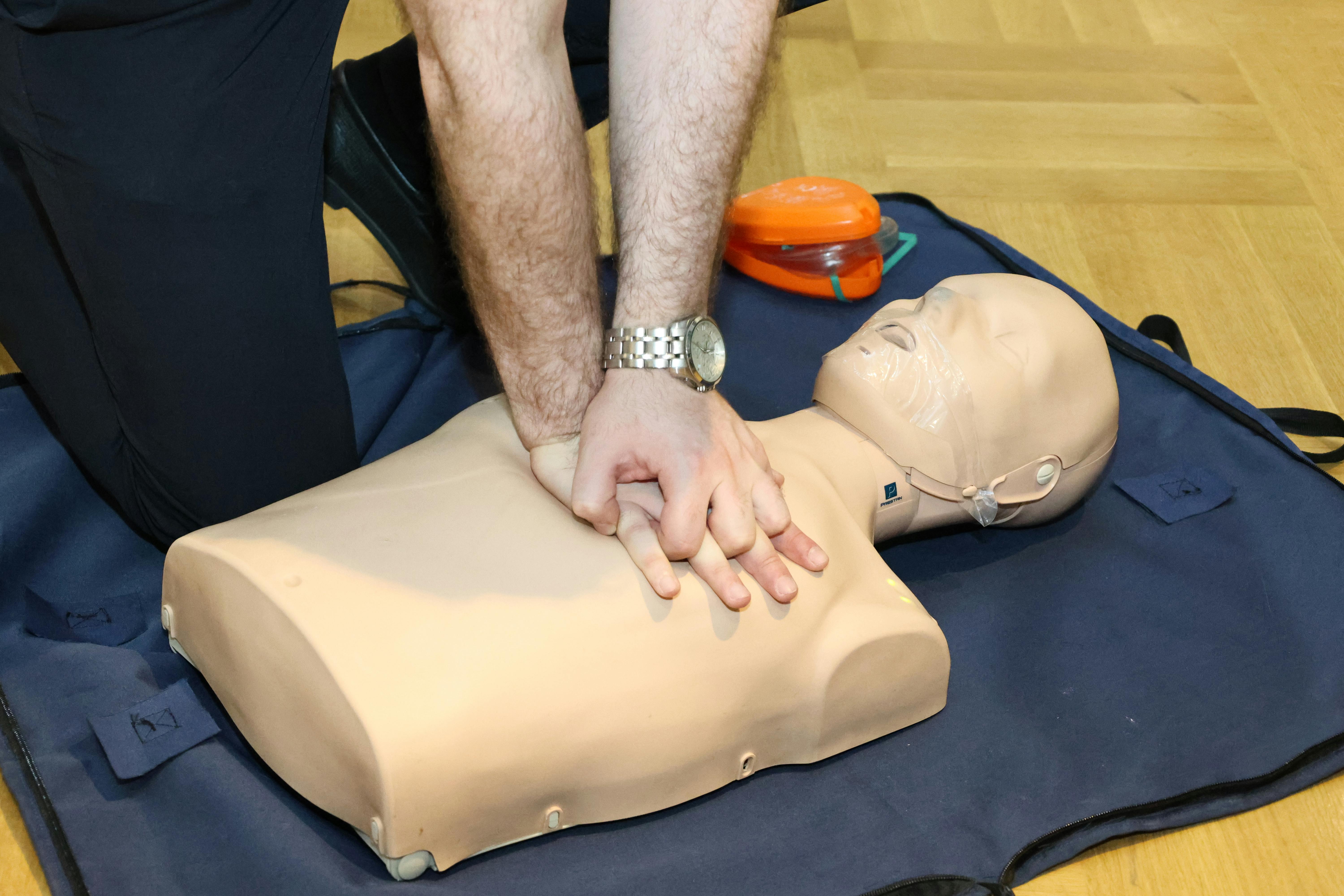
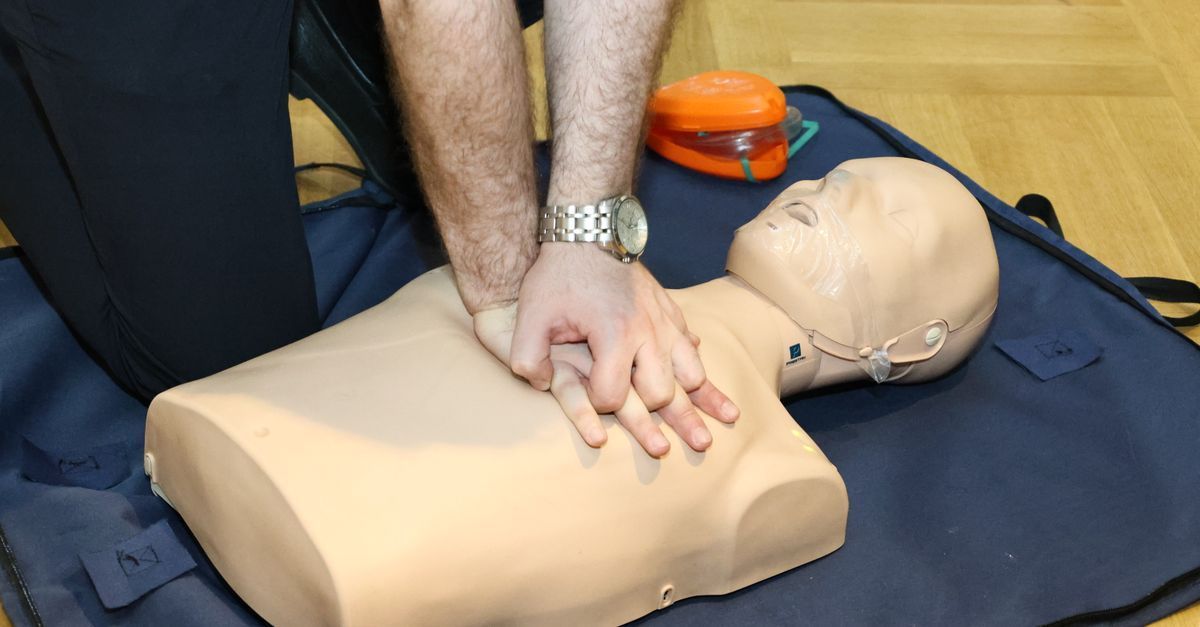
A written emergency procedure is useful, but an emergency requires people who can act. First Aid Responder training develops practical skills such as casualty assessment, CPR, AED use and management of common injuries and medical emergencies.

Employees gain experience through practical exercises rather than simply reading instructions. This can improve confidence when they encounter a real incident.

Trained responders can provide immediate assistance while emergency services are being contacted and can help create a more organised response around the casualty.

3. First Aid Training Encourages Better Safety Awareness

Employees who complete first aid training often become more aware of the practical details surrounding emergency preparedness. They may notice that a first aid kit is difficult to access, an AED location is poorly communicated or colleagues do not know how to raise the alarm.

This awareness can benefit the wider safety culture. Questions raised during training can lead employers to review procedures that might otherwise remain unchanged for years.

First aid training is therefore valuable not only for the skills taught but also for the conversations it creates around workplace safety.

4. Training Records Help Demonstrate Organised Safety Management

Good compliance management requires records. Employers should know which employees have completed relevant training and when renewal is due.

A training register allows managers to monitor first aid cover and plan refresher courses before certificates expire. It can also highlight when trained employees have left the organisation or moved to another location.

Keeping records organised demonstrates that training is being actively managed rather than treated as a once-off event.

5. First Aid Cover Should Match Working Patterns

Modern workplaces operate in many different ways. Some run multiple shifts, some open seven days a week and others use hybrid working arrangements.

First aid provision should reflect when employees are actually present. Several trained responders may appear sufficient until managers realise they all work the same shift or the same days.

Reviewing availability helps employers maintain meaningful cover during evenings, weekends, holidays and periods of remote working.

6. Training Supports Better Use of First Aid Equipment

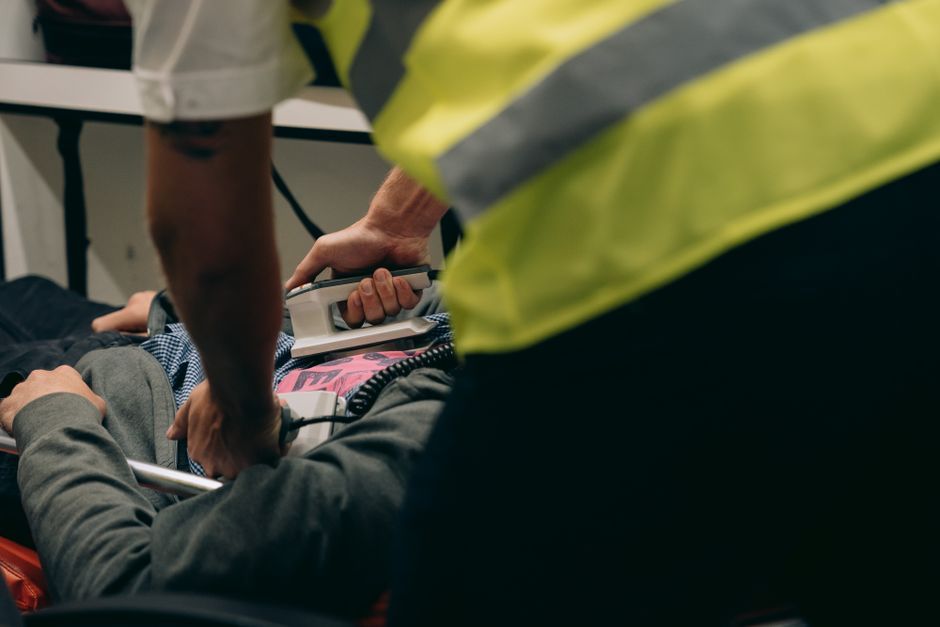
Equipment is most effective when people know how to use it. A well-stocked kit supports responders dealing with injuries, while AED training can help employees act more confidently during a cardiac emergency.

Training also encourages organisations to think about equipment placement. Responders may identify that supplies are too far from certain work areas or that access is restricted.

Equipment checks, clear locations and trained personnel should therefore operate as one system.

7. It Strengthens Emergency Communication

During first aid training, businesses often begin considering what happens around the responder. Who calls emergency services? Who meets the ambulance? How is a responder contacted from another department?

These questions are important for health and safety management. A technically skilled responder can still lose valuable time if communication and access arrangements are poor.

Employers can use training as an opportunity to review the full emergency journey from discovering a casualty to transferring care to professional medical personnel.

8. First Aid Training Supports Employee Confidence

Medical emergencies can be stressful, particularly for people who have never encountered one before. Practical training allows employees to rehearse procedures in a controlled environment.

This does not remove the seriousness of a real incident, but familiarity with the basic steps can reduce uncertainty. Responders understand how to approach the casualty, assess the situation and begin appropriate first aid.

A workplace with confident, trained responders is better positioned to provide organised assistance while professional help is on its way.

9. It Helps Employers Review Their Arrangements Regularly

Training dates create natural opportunities to review workplace first aid provision. Before arranging a course, employers can check how many responders are required, which departments need cover and whether working patterns have changed.

This is particularly useful for growing businesses. A first aid arrangement designed for a small team may become inadequate after expansion.

Regular reviews help ensure that training remains aligned with actual business needs rather than historic staffing levels.

10. First Aid Is Part of a Wider Safety Culture

Compliance works best when employees understand that safety is part of everyday operations. First aid training contributes to this by involving staff directly in emergency preparedness.

Responders become a visible part of workplace safety and can encourage colleagues to take procedures seriously. Managers also demonstrate that the organisation is willing to invest time and resources in protecting people.

Training should sit alongside other relevant measures such as risk assessment, manual handling, fire safety and appropriate workplace-specific instruction.

11. On-Site Training Can Support Organisational Consistency

For businesses training several employees, on-site courses can provide practical benefits. Teams learn together and can discuss arrangements specific to their own premises.

Participants may be able to relate exercises directly to their workplace layout, emergency access and available equipment. This can make the learning more relevant.

Multi-site businesses can also develop a consistent approach by planning training across locations and maintaining central records of responder coverage.

12. Compliance Should Translate Into Real Preparedness

The ultimate purpose of workplace health and safety is not paperwork for its own sake. Procedures, training and records should result in a workplace that is genuinely safer and better prepared.

First aid provides a useful test of that principle. If an employee collapsed today, would colleagues know how to get help? Would a trained responder be present? Could the AED and first aid equipment be reached quickly?

If the answer is uncertain, the organisation has an opportunity to improve its arrangements before a real emergency exposes the weakness.

Conclusion

First aid training supports Irish workplace health and safety compliance by turning emergency planning into practical capability. Trained responders, maintained equipment, organised records and clear procedures work together to create stronger workplace preparedness.

Employers should review first aid needs regularly, particularly when staffing, premises or working patterns change. Training should be maintained as part of ongoing safety management rather than completed once and forgotten.

Handle with Care provides professional First Aid Responder and workplace safety training for businesses throughout Dublin and across Ireland. Contact Handle with Care to arrange training for your employees or to discuss an on-site course designed around the needs of your workplace.

Business manager reviewing workplace health and safety arrangements
by Handle with Care 28 August 2026
Understand first aid responsibilities for Irish business owners and managers, including workplace assessment, responder cover, training records and equipment.
Workplace supervisor checking first aid equipment
by Handle with Care 28 August 2026
Discover common workplace first aid mistakes Irish employers should avoid, from poor responder cover and expired training to inaccessible kits and weak procedures.
Workplace safety manager reviewing first aid arrangements
by Handle with Care 18 August 2026
Prepare for a workplace first aid inspection in Ireland. Learn what may be reviewed, from trained responders and first aid kits to records and procedures.
Show More
Business manager reviewing workplace health and safety arrangements
by Handle with Care 28 August 2026
Understand first aid responsibilities for Irish business owners and managers, including workplace assessment, responder cover, training records and equipment.
Workplace supervisor checking first aid equipment
by Handle with Care 28 August 2026
Discover common workplace first aid mistakes Irish employers should avoid, from poor responder cover and expired training to inaccessible kits and weak procedures.
Workplace safety manager reviewing first aid arrangements
by Handle with Care 18 August 2026
Prepare for a workplace first aid inspection in Ireland. Learn what may be reviewed, from trained responders and first aid kits to records and procedures.
Warehouse workers providing first aid to an injured colleague
by Handle with Care 18 August 2026
Learn why Irish warehouses and logistics businesses need trained first aiders, how to assess cover and prepare teams for workplace emergencies.
Show More