

First Aid Responsibilities of Business Owners and Managers
Workplace first aid is often delegated to a health and safety coordinator, HR department or nominated First Aid Responders. Delegation can make day-to-day management easier, but business owners and managers still need to understand whether the organisation's arrangements are appropriate and whether they continue to work as the business changes.
For Irish employers, first aid should form part of wider workplace health and safety planning. The objective is to make sure employees can receive prompt initial assistance following injury or sudden illness and that trained people, suitable equipment and clear procedures are available when required.
Managers do not need to personally deliver every aspect of first aid provision. They do, however, need a system for assessing needs, arranging training, maintaining cover and reviewing arrangements over time.
1. Understand the First Aid Needs of the Workplace
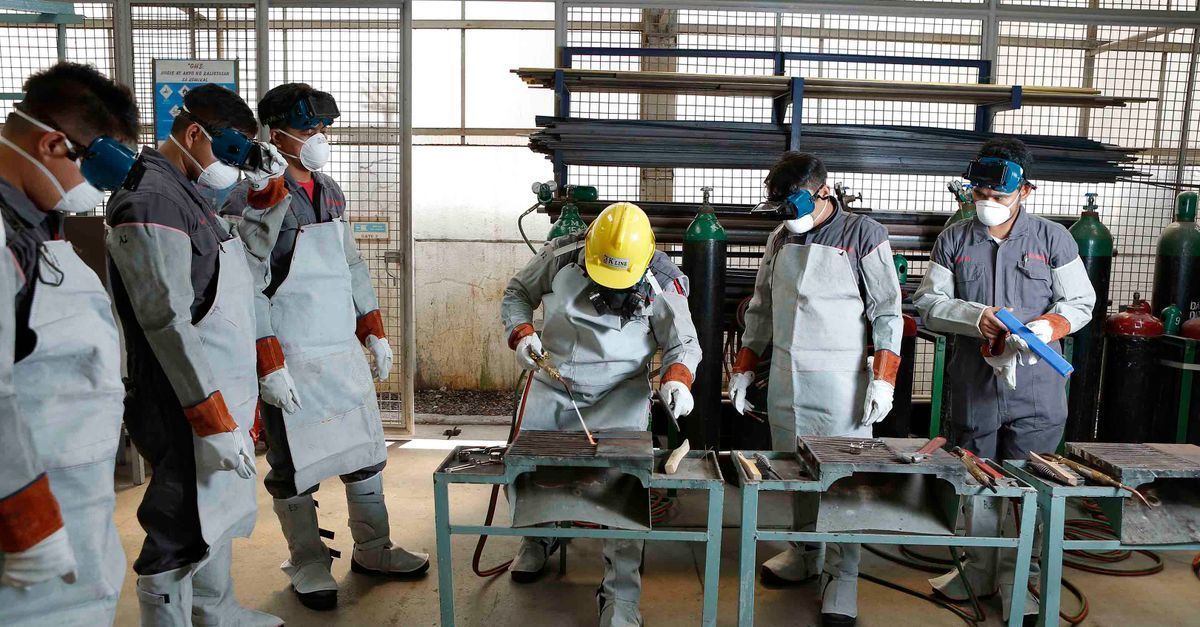
The starting point is understanding the workplace itself. A small office, construction site, hotel and distribution centre present different hazards and operational challenges.
Managers should consider workforce numbers, the nature of the work, workplace layout, shift patterns, remote locations, visitors and access to emergency services.
This assessment provides the basis for deciding how many trained responders may be required and where first aid equipment should be located.
2. Ensure Suitable Employees Receive Training
Once first aid needs are understood, managers should identify employees who can provide reliable cover. Availability is important. Training someone who is rarely present may contribute little to day-to-day preparedness.
Suitable candidates should be willing to undertake the role and reasonably comfortable responding during an emergency. Larger workplaces can benefit from selecting employees across several departments or areas.
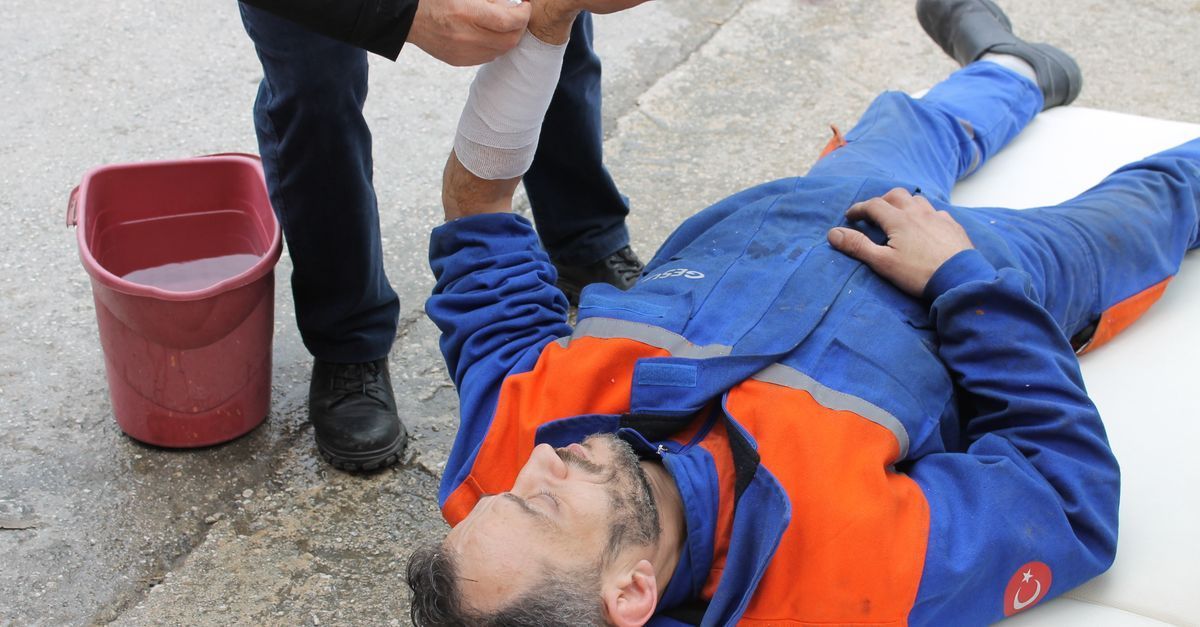
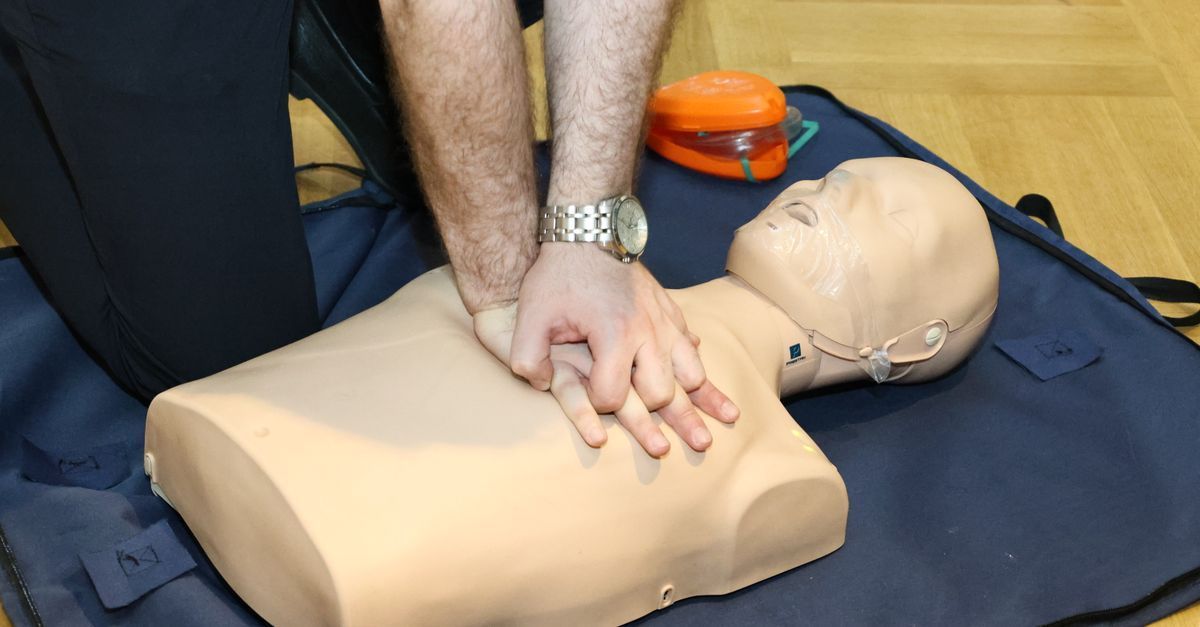
First Aid Responder training gives nominated staff practical skills for responding to common workplace emergencies, including CPR and AED use.
3. Provide Enough Cover for Absence and Leave
Managers should avoid relying on a single trained person where that creates an obvious gap during holidays, sickness or remote working.
The right level of contingency depends on the workplace. Businesses operating shifts may need trained responders available across each relevant working period.
Regularly reviewing rotas and working arrangements helps management identify gaps before an emergency occurs.
4. Keep Training Records Current
Business owners and managers should be able to identify who has been trained and when renewal is required. This does not need to involve a complicated system.
A central register can record the responder's name, course, training date and renewal date. Automated reminders or calendar entries can help prevent expiry dates from being overlooked.
Someone should have clear responsibility for maintaining the register. Without ownership, records can quickly become outdated.
5. Make Sure First Aid Equipment Is Appropriate
Managers should ensure suitable first aid supplies are provided and positioned sensibly. Large or dispersed workplaces may need more than one first aid point.
Equipment should be accessible during all relevant working hours. A kit inside a locked office is of little use if the keyholder is absent.
Regular checks should confirm that supplies remain complete and in usable condition.
6. Integrate AEDs Into Emergency Planning
Where an AED is available, managers should consider its location, accessibility and maintenance. Staff should know where the device is and how to retrieve it quickly.
Training responders in CPR and AED use helps make the device part of a practical emergency response rather than simply equipment mounted on a wall.
Responsibility for routine checks should also be clearly assigned and manufacturer's guidance followed.
7. Communicate First Aid Arrangements to Employees
Employees need to know how to obtain assistance. Managers should ensure staff can identify trained responders and locate first aid equipment.
Information can be included in induction, displayed on noticeboards or shared through internal communication channels.
Whatever method is used, it should be updated when responders leave, change roles or move locations.
8. Consider Contractors, Customers and Visitors
Managers should consider people beyond the permanent workforce when assessing first aid needs. Contractors, temporary workers, clients and visitors may all be present when an incident occurs.
Businesses with substantial public footfall may need to reflect this in their arrangements. Reception and customer-facing teams should know how to summon assistance quickly.
Contractors and agency workers should receive basic emergency information when they begin work on the premises.
9. Establish Clear Emergency Roles
First aid is most effective when the wider emergency response is organised. A responder may be treating the casualty while another employee contacts emergency services.
Managers should consider who will meet an ambulance, provide access through security gates and direct paramedics to the casualty.
In larger workplaces, these details can make a significant difference to how smoothly the response operates.
10. Review Arrangements When the Business Changes
A common management mistake is assuming that first aid provision remains suitable indefinitely. Businesses evolve and their safety arrangements should evolve too.
Growth in employee numbers, new premises, additional floors, different shifts or new work activities can all affect first aid needs.
Managers should include first aid in periodic health and safety reviews and reconsider provision after significant organisational changes.
11. Learn From Incidents
When first aid is required, managers have an opportunity to assess whether existing procedures worked. Was a trained responder available? Could equipment be found quickly? Did employees know who to call?
Reviewing the response can identify practical improvements. The purpose is to strengthen the system rather than simply record that an incident occurred.
Patterns in minor incidents can also highlight wider hazards that may need additional control measures.
12. Make First Aid Part of Everyday Safety Management
The strongest approach is to treat first aid as an ongoing management responsibility. Training, equipment checks and emergency communication should be built into normal workplace routines.
This reduces the need for last-minute action before an inspection or after a staffing change. It also gives employees confidence that workplace safety arrangements are being actively maintained.
Managers who regularly ask whether the current system would work during an emergency are more likely to identify weaknesses early.
13. Support Responders After Training
Sending an employee on a course should not be the end of management involvement. Responders need access to appropriate equipment and clear workplace procedures.
Managers should listen when trained staff identify practical concerns, such as inaccessible kits, poor AED signage or insufficient cover in another department.
Responders can provide valuable feedback because their training gives them a practical perspective on emergency preparedness.
14. Plan Refresher Training Before It Becomes Urgent
Waiting until training has expired can create avoidable gaps. Managers should plan refresher courses sufficiently early to maintain continuity.
Where several employees trained at the same time, renewal dates may cluster together. Advance planning allows the organisation to stagger training where appropriate and maintain cover.
For larger organisations, a rolling training programme can make first aid management considerably easier.
Conclusion
Business owners and managers play an important role in ensuring workplace first aid arrangements remain practical, current and appropriate. This means assessing needs, providing trained responder cover, maintaining equipment and making sure employees understand emergency procedures.
Good first aid management is not about completing a checklist once. It requires periodic review as staff, premises and working patterns change.
Handle with Care provides professional First Aid Responder and workplace safety training for businesses throughout Dublin and across Ireland. If you need to train employees, renew existing qualifications or arrange an on-site course for your team, contact Handle with Care to discuss your workplace training requirements.